When the Sun Vanishes: How Animals React to a Total Solar Eclipse
In Brief
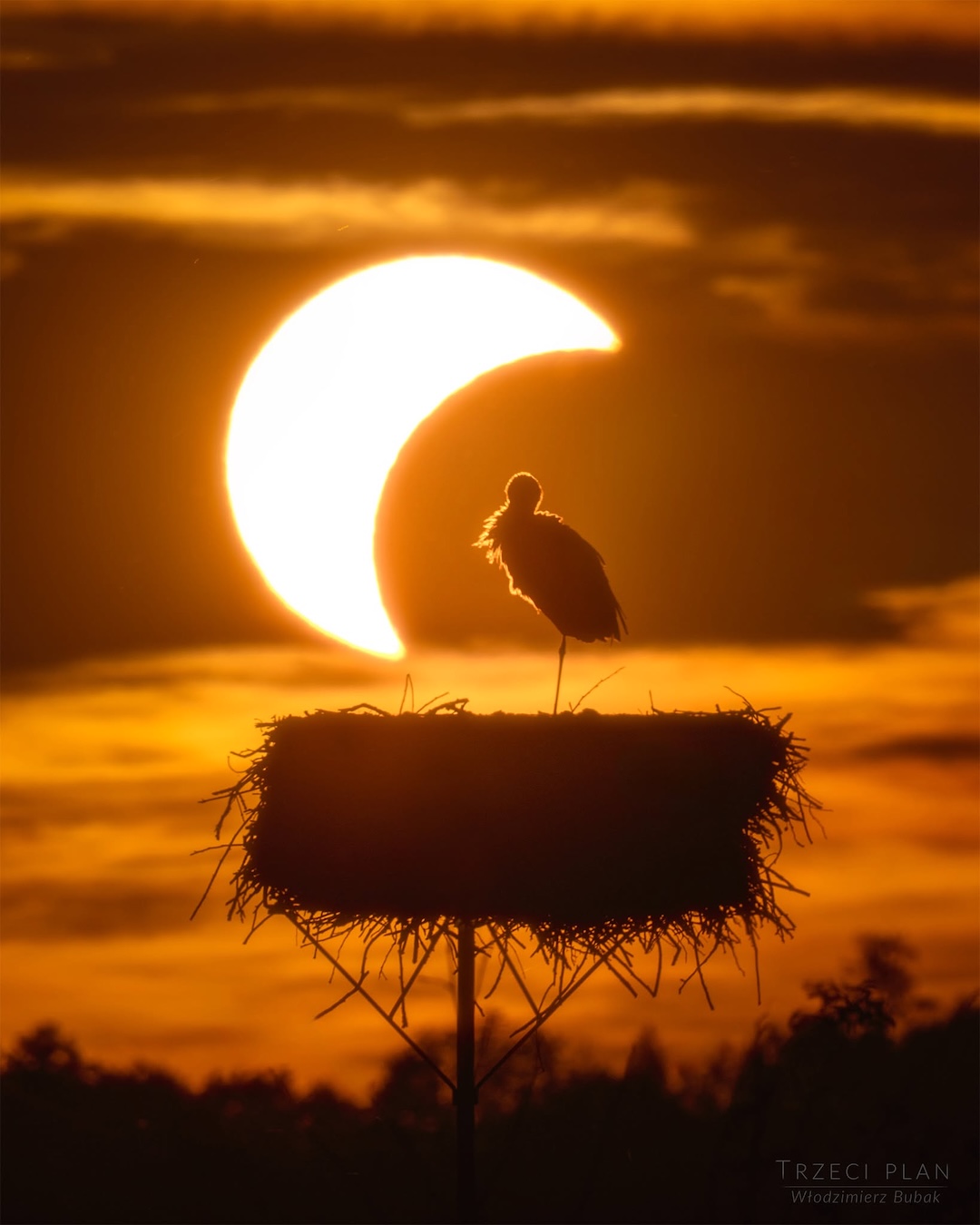
A total solar eclipse doesn't just put on a breathtaking show for humans; it also prompts a fascinating, temporary shift in animal behavior. Creatures often react as if day has suddenly turned to night, from storks settling down to crickets chirping at midday. This rare celestial event offers a unique chance to observe how nature's rhythms are deeply tied to sunlight.
The Full Story
Key Takeaways
- 1 Animals often react to a total solar eclipse as if day has suddenly turned to night.
- 2 During totality, nocturnal animals like crickets and frogs may become active, while many birds fall silent or prepare to sleep.
- 3 The return of sunlight triggers 'dawn' behaviors, such as songbirds beginning to sing.
- 4 These observations highlight how deeply animal behaviors and biological clocks are tied to natural light cycles.
💡 Think of it this way:
Imagine you're at a lively daytime carnival, and suddenly all the lights go out for a few minutes. You might hear people pause, some kids might get quiet, while others might react as if it's bedtime or an unexpected game of hide-and-seek. Animals experience a similar, albeit more instinctual, surprise during an eclipse.
How We Know This
The 'discoveries' about animal behavior during an eclipse are primarily made through direct observation by both scientists and citizen scientists. Researchers and enthusiasts position themselves in natural environments during an eclipse, carefully watching and listening for any changes in animal activity, sounds, and routines. These anecdotal accounts and systematic studies compile a fascinating picture of how life responds to this rare celestial event.
What This Means
These brief, natural 'experiments' during solar eclipses provide invaluable, albeit temporary, insights for ethologists (animal behavior scientists) and biologists. They offer a unique opportunity to study the immediate impact of drastic light changes on animal circadian rhythms and instinctive behaviors, without needing to artificially manipulate environments. Future eclipses will continue to serve as natural laboratories, allowing researchers to observe a wider range of species in diverse ecosystems, deepening our understanding of environmental cues and the delicate balance of life on Earth.
Why It Matters
Understanding how animals react to an eclipse helps us appreciate their deep connection to natural light cycles and reminds us of the profound impact celestial events have on Earth's ecosystems, even if only for a few minutes. It's a natural experiment that highlights the delicate balance of life.