Back to Articles Image Of The Day

When the Sun Disappears: Eclipses Through Human History and Culture

📖 3 min read 📊 beginner 🏷️ NASA APOD

In Brief

Imagine a world where the Sun, a constant in your life, suddenly vanishes during the day, leaving only a glowing ring. This dramatic celestial event, a solar eclipse, has inspired awe, fear, and wonder across cultures for thousands of years, shaping beliefs about connection, danger, and rebirth.
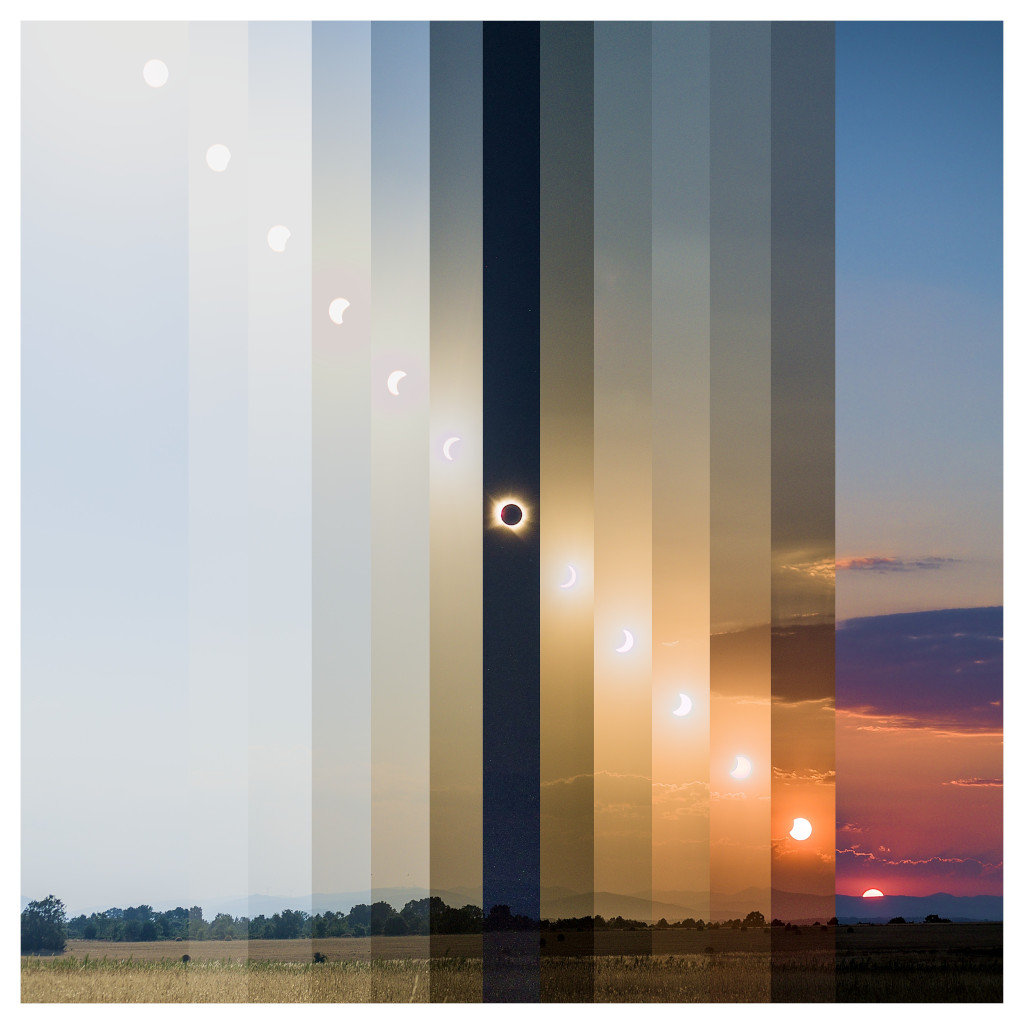
When the Sun Disappears: Eclipses Through Human History and Culture

The Full Story

From the dawn of human civilization, the Sun has been a life-giving constant, its daily appearance and disappearance the bedrock of existence. So, picture the sheer astonishment—and perhaps terror—of ancient peoples witnessing a total solar eclipse. The bright, familiar Sun is suddenly obscured, replaced by an ethereal, fiery halo in the sky. This incredible transformation, depicted in modern images like the upcoming August 12, 2026 eclipse, has left an indelible mark on human culture, prompting countless interpretations. Indeed, the very word 'eclipse' comes from the Greek 'ékleipsis,' meaning 'abandonment.' To the ancient Greeks, a solar eclipse was often seen as a sign of divine displeasure, a celestial omen signaling the gods' anger and the Sun's temporary desertion of humanity. Such a dramatic event would undoubtedly have sparked rituals, prayers, and perhaps even sacrifices to appease the heavens and restore order to the world. Yet, not all cultures viewed eclipses with dread. For the Diné people, also known as the Navajo Nation, this profound celestial alignment represents a time of renewal and reverence. Out of deep respect for this cosmic event and to avoid the potential dangers of the Sun and Moon's powerful convergence, the Diné traditionally observe a period of quiet contemplation, staying indoors until the Sun and Moon have fully separated. This practice underscores a belief in harmony and respect for nature's grand cycles. Across the globe, the Batammariba people of Benin and Togo offer another fascinating perspective. Their tradition holds that during an eclipse, the Sun and Moon are engaged in a cosmic quarrel. To help resolve this celestial dispute and encourage peace in the heavens, the community comes together to encourage peace and unity among themselves. This beautiful belief highlights how observations of the sky can directly influence social behavior and communal harmony on Earth. These diverse interpretations – from divine anger and abandonment to renewal, respect, and communal peace-making – are powerful testaments to humanity's innate drive to understand and assign meaning to the natural world. Long before we understood the precise mechanics of the Moon passing directly between the Sun and Earth, eclipses forced our ancestors to ponder their place in the universe. They illustrate how astronomical phenomena are not just scientific curiosities, but profound cultural touchstones that have shaped our stories, our spiritual beliefs, and our social practices throughout history.

Key Takeaways

  • 1 Solar eclipses are dramatic celestial events that have deeply impacted human culture for millennia.
  • 2 Ancient cultures developed diverse interpretations, from divine anger and abandonment (Ancient Greece) to renewal (Diné people) and cosmic conflict requiring human mediation (Batammariba people).
  • 3 These interpretations often influenced societal beliefs, rituals, and communal practices.
  • 4 Eclipses demonstrate the enduring and profound connection between astronomy and human society.
  • 5 Even with modern scientific understanding, the awe and cultural significance of eclipses remain potent.

💡 Think of it this way:

Imagine your favorite, most reliable restaurant suddenly disappearing from its spot, only to return hours later. That's a bit like how unsettling and profound a solar eclipse could feel when its mechanics weren't fully understood!

How We Know This

The insights into how various cultures interpret solar eclipses come from extensive study by historians, anthropologists, and ethnographers. They piece together these narratives by analyzing ancient written records, deciphering oral traditions passed down through generations, observing contemporary cultural practices, and consulting with indigenous communities. It's a method of 'cultural astronomy' that seeks to understand the human experience of the cosmos.

What This Means

Understanding the rich cultural history of solar eclipses enriches our appreciation for human diversity and ingenuity in making sense of the universe. For future astronomical events, this knowledge encourages us to communicate not just the scientific facts but also to acknowledge and respect the enduring cultural significance that these celestial wonders hold for people worldwide. It reminds us that astronomy is a universal language, but its interpretations are beautifully diverse, continuing to inspire communities to gather, observe, and reflect.

Why It Matters

Understanding how different cultures have interpreted solar eclipses connects us to humanity's shared past and highlights the enduring impact of the cosmos on our societies, even today. It reminds us that while science explains 'how,' culture often explains 'what it means' to us.

Related Topics

#Solar Eclipse #Cultural Astronomy #Ancient Beliefs #Human History #Celestial Events