Back to Articles Image Of The Day

Lunar Eclipse Spectacle: Catch the Moon's Red Glow Anywhere!

📖 3 min read 📊 beginner 🏷️ NASA APOD

In Brief

Last week, a beautiful lunar eclipse offered a stunning celestial show, easily visible to millions. These captivating events happen when Earth passes directly between the Sun and Moon, casting our planet's shadow onto the lunar surface. Unlike rarer solar eclipses, lunar eclipses are safe to view with just your eyes and last for hours, making them an accessible treat for anyone.
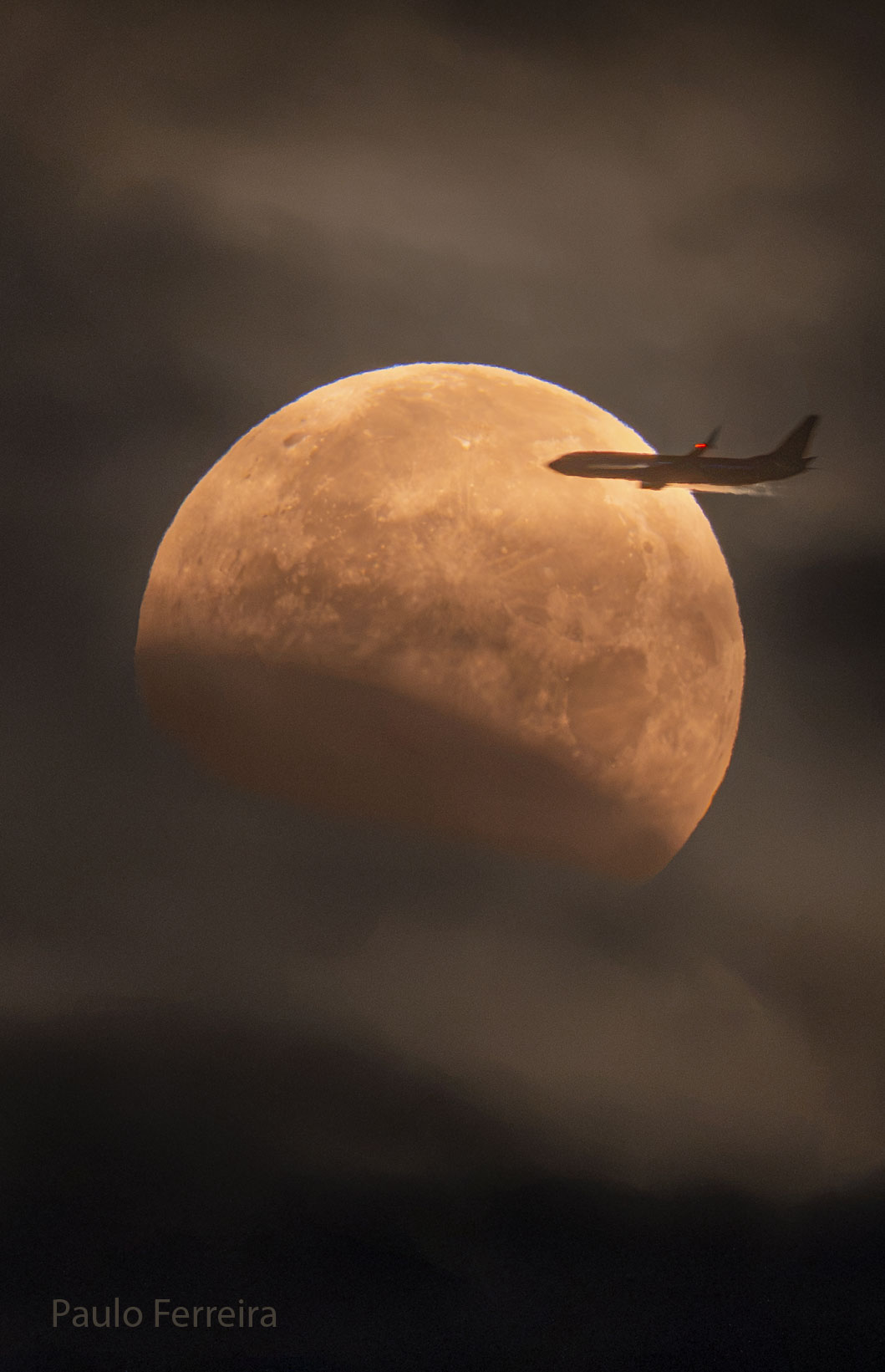
Lunar Eclipse Spectacle: Catch the Moon's Red Glow Anywhere!

The Full Story

A lunar eclipse is one of nature's most dazzling sky shows, a celestial ballet performed right above our heads. It happens when the Earth positions itself directly between the Sun and the Moon. This perfect alignment causes our planet to cast a giant shadow across the Moon's face, temporarily dimming its usual silvery glow and often painting it in breathtaking shades of red, orange, or brown. This dramatic transformation is why these events are so eagerly anticipated by skygazers worldwide. What makes lunar eclipses truly special is their incredible accessibility. Unlike a solar eclipse, where looking directly at the Sun can be dangerous without specialized protective gear, a lunar eclipse is completely safe to observe with your naked eyes. You don't need a telescope, binoculars, or any fancy equipment – just step outside and look up! Plus, because the Earth's shadow is so large, a lunar eclipse is visible from an entire hemisphere of our planet, meaning millions can witness the spectacle simultaneously without needing to travel to a specific location. Adding to their viewer-friendly nature, lunar eclipses typically unfold over several hours. This extended duration means you have plenty of time to enjoy the show. For instance, if you were on an airplane during last week's eclipse, even if you started on the "wrong" side of the plane, you likely would have had ample opportunity to shift seats or wait until after takeoff to catch a glimpse. This longevity makes them perfect for casual observation, allowing you to watch the Moon gradually change color and then slowly return to its full brightness. This ease of viewing also makes lunar eclipses a favorite subject for photographers, from casual phone snaps to professional astrophotography. Since you're not looking towards the blinding Sun, capturing the Moon's ethereal beauty is much simpler and safer than attempting to photograph a solar eclipse. The opportunity to document the Moon's temporary transformation into a "blood moon" has made lunar eclipses some of the most widely shared and photographed astronomical events on social media and beyond. From ancient civilizations interpreting them as omens to modern sky-watchers marveling at the cosmic mechanics, lunar eclipses have always held a special place in human history and culture. They serve as a powerful reminder of our place in the solar system, showcasing the elegant dance of celestial bodies. So, the next time a lunar eclipse is predicted, make sure to mark your calendar, step outside, and join the millions who look up to witness this simple yet profound astronomical wonder.

Key Takeaways

  • 1 Lunar eclipses occur when Earth casts its shadow on the Moon, often giving it a reddish hue.
  • 2 They are safe and easy to observe with the naked eye, visible from a large portion of Earth.
  • 3 These celestial events last for hours, providing ample time for viewing and photography.

💡 Think of it this way:

Imagine Earth playing hide-and-seek with the Moon, momentarily stepping in front of the Sun's light and casting a giant shadow that turns the Moon a ghostly, reddish hue.

How We Know This

Observing a lunar eclipse involves nothing more than looking up at the night sky. Scientists and astronomers, along with amateur stargazers worldwide, simply use their unaided eyes, binoculars, or telescopes to watch the Moon pass through Earth's shadow. Photography, from simple phone cameras to advanced setups, is also a popular way to document these beautiful and predictable events.

What This Means

Lunar eclipses, while not "discoveries" in the traditional sense, have profound implications for public engagement with science. They serve as an accessible entry point into astronomy, inspiring curiosity about the cosmos and encouraging people to learn more about orbital mechanics and celestial phenomena. They foster a sense of shared global experience and wonder, connecting people across continents through a universal sky show and highlighting the predictable, beautiful clockwork of our solar system.

Why It Matters

Lunar eclipses are a fantastic way for everyone, everywhere, to connect with the wonders of our solar system. They offer a direct, no-cost, and safe opportunity to witness a stunning astronomical event, fostering curiosity and appreciation for the cosmos right from your backyard.

Related Topics

#Lunar Eclipse #Astronomy #Stargazing #Moon #Earth's Shadow