Back to Articles Image Of The Day

Shy Comet 220P Puts on a Dazzling, Mysterious Show!

📖 3 min read 📊 beginner 🏷️ NASA APOD

In Brief

Comet 220P/McNaught, usually too faint to see without powerful telescopes, has unexpectedly burst into life with two massive flares, becoming an astonishing 20,000 times brighter. This sudden glow now makes it visible through regular binoculars and long-exposure cameras, offering a rare chance to observe this cosmic visitor.
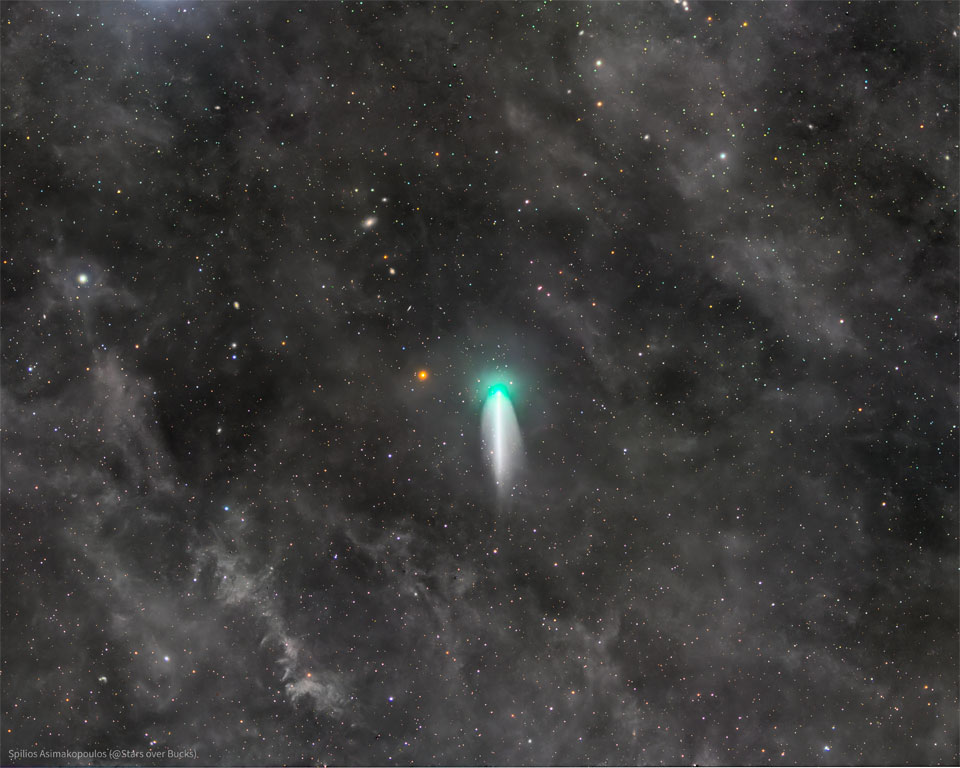
Shy Comet 220P Puts on a Dazzling, Mysterious Show!

The Full Story

Comet 220P/McNaught is typically one of the universe's quiet residents, a 'periodic' comet that regularly orbits the Sun but is generally too faint for casual observation, even with modest telescopes. However, this year, our understanding of this shy space rock has been completely overturned. Two sudden, powerful outbursts have dramatically increased its brightness by an incredible 20,000 times, making it a spectacular, albeit temporary, sight. Thanks to these unexpected flares, Comet 220P has transformed from a faint smudge into a celestial beacon. An impressive long-exposure photograph, captured just 10 days ago from South Africa, showcases its stunning appearance: a vibrant, glowing green 'head' and a short, ethereal dust tail. This means that, for a limited time, you don't need a cutting-edge observatory to see it – a pair of binoculars or even a long-duration camera exposure can now reveal this cosmic performer. The scientific community is buzzing with curiosity about these dramatic events. The reasons behind Comet 220P's powerful outbursts remain a mystery. Leading theories suggest they could be caused by pockets of gas trapped beneath the comet's icy surface suddenly bursting free, or perhaps even 'comet quakes' – seismic-like events on the comet's fragile body that crack its surface and release volatile materials into space. Each new observation helps scientists piece together this cosmic puzzle. Comet 220P continues its predictable journey around the Sun, following an orbit that takes it between Mars and Jupiter and lasts just over five years. It's currently heading towards its closest approach to Earth in October, when it will pass about one Earth-Sun distance away. After this encounter, scientists expect its brilliant display to quickly fade as it embarks on the longer, colder stretch of its orbit, heading back towards the distant reaches of our solar system until its next fiery awakening. This unexpected brightening provides a unique, real-time opportunity for astronomers to study the internal dynamics of comets. By observing 220P's behavior now, scientists can gather valuable data on what causes these dramatic changes, helping us understand more about the composition, structure, and evolution of these icy wanderers. It's a rare chance to see a 'sleeping giant' of the solar system suddenly spring to life and put on a show.

Key Takeaways

  • 1 Comet 220P/McNaught has become 20,000 times brighter than usual due to unexpected outbursts.
  • 2 It is now visible with binoculars and long-exposure cameras, making it accessible to the public.
  • 3 The cause of these dramatic flares is unknown, possibly due to gas releases or 'comet quakes'.
  • 4 The comet will pass relatively close to Earth in October before fading as it moves away.

💡 Think of it this way:

Imagine a tiny firefly in your garden suddenly flaring up to glow as brightly as a powerful streetlamp – that's the kind of dramatic change we're seeing with Comet 220P!

How We Know This

The comet was initially observed with telescopes, but its dramatic brightening now allows it to be seen with more common tools like binoculars and standard cameras using long-exposure techniques. Specialized cameras capture details like its bright green head and dust tail, providing crucial data for scientists.

What This Means

This dramatic event offers a 'live experiment' for astronomers to study cometary behavior. Understanding why Comet 220P suddenly flared up could reveal crucial insights into the internal structures and processes of comets, helping scientists better predict future outbursts and learn more about how these icy bodies evolve in our solar system.

Why It Matters

This is a fantastic, unexpected opportunity for stargazers and anyone interested in space! You might actually be able to spot a usually invisible comet with simple binoculars, witnessing a live cosmic mystery unfold as scientists try to figure out what's causing its dramatic transformation.

Related Topics

#Comet #Outburst #Astronomy #Stargazing #Space Mystery