Starfall Extravaganza: Over 1,700 Shooting Stars in One Night!
In Brief
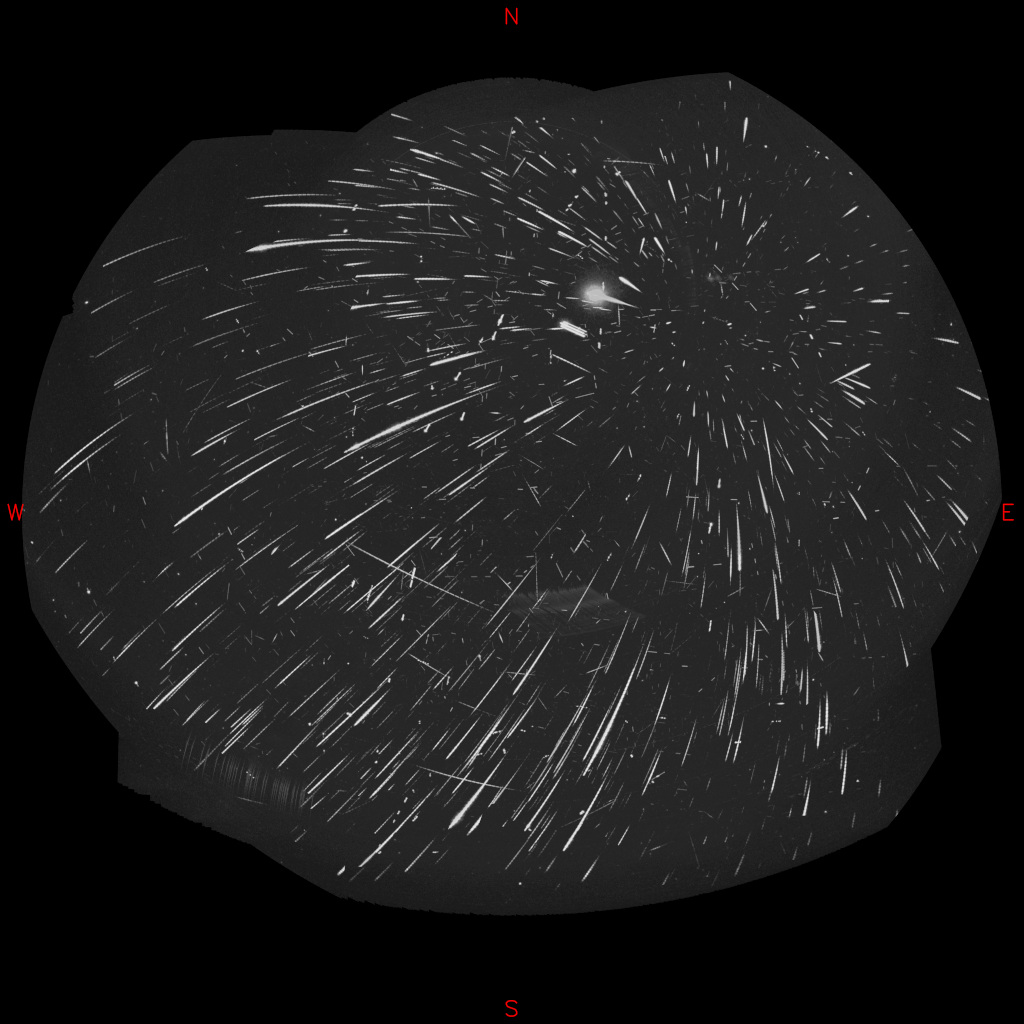
Astronomers in Czechia captured an incredible display during the peak of the 2026 Perseid Meteor Shower, recording over 1,700 meteors in a single night. Using multiple cameras, they created an all-sky view revealing the distinct paths of these cosmic dust particles, mostly originating from the famous Perseids.
The Full Story
Key Takeaways
- 1 Over 1,700 meteors were captured in one night during the peak of the 2026 Perseid Meteor Shower.
- 2 Most of the meteors were Perseids, appearing to originate from a single 'radiant' point in the constellation Perseus.
- 3 Four dedicated meteor-monitoring cameras were used to create a complete, all-sky view of the event.
- 4 Less active meteor showers, like the Kappa Cygnids, were also identified in the same images.
- 5 Studying meteors helps scientists understand cosmic dust, comets, and our solar system's environment.
💡 Think of it this way:
Imagine standing on a highway overpass watching cars drive away into the distance; even though they're spread out, their taillights seem to converge at a single point as they speed away. That's similar to how all the Perseid meteors, though seen across the sky, appear to originate from one specific 'radiant' point.
How We Know This
Astronomers used a network of four specialized meteor-monitoring cameras at an observatory in Czechia. These cameras continuously recorded the sky throughout the night of August 12-13. The captured images were then digitally aligned and combined to create a single, incredibly detailed, all-sky view, allowing scientists to count and trace the path of every visible meteor.
What This Means
This detailed monitoring helps scientists map out the trails of cosmic dust left by comets, improving our understanding of how meteor showers evolve and allowing for more accurate predictions of future celestial displays. Continuously tracking these events provides valuable data on the smaller debris in our solar system, offering insights into Earth's interaction with its cosmic environment and helping us understand the origins of these tiny space travelers.
Why It Matters
This capture showcases the sheer beauty and intensity of meteor showers, reminding us of the constant cosmic dance happening just above our heads. It also demonstrates how scientists study these celestial events to understand the dust and debris floating through our solar system, making these sky spectacles even more meaningful.