Back to Articles Image Of The Day

Perseids Peak Tonight! Get Ready for a Spectacular Cosmic Light Show

📖 4 min read 📊 beginner 🏷️ NASA APOD

In Brief

Tonight, the famous Perseid meteor shower reaches its dazzling peak, promising an exceptional celestial display. With the sky darkened by a new moon, stargazers could witness up to 100 brilliant 'shooting stars' per hour as Earth passes through ancient comet debris.
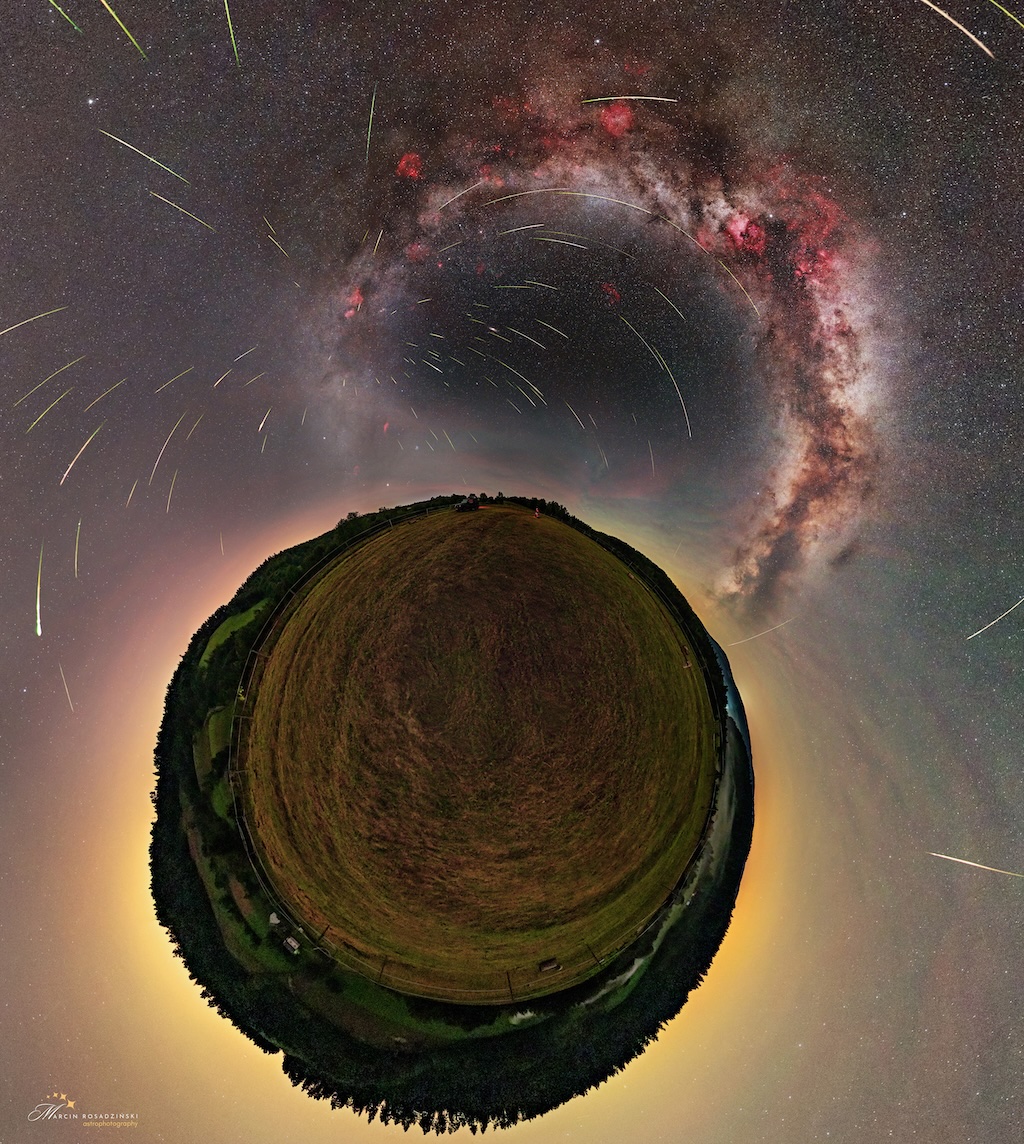
Perseids Peak Tonight! Get Ready for a Spectacular Cosmic Light Show

The Full Story

Get ready to gaze upwards tonight, because one of the most beloved annual celestial events, the Perseid meteor shower, is reaching its grand finale! As our planet orbits the Sun, it periodically crosses paths with dusty trails left behind by comets. Tonight, Earth is plunging directly into the debris field of Comet Swift-Tuttle, treating sky-watchers in the Northern Hemisphere to a breathtaking display of cosmic fireworks. But what exactly are these 'shooting stars'? They're not stars at all, but rather tiny bits of rock and ice – some no bigger than a grain of sand – shed by Comet Swift-Tuttle centuries ago. As these fragments slam into Earth's atmosphere at incredible speeds, they superheat and burn up, creating the brilliant streaks of light we call meteors. The Perseids get their name because they appear to radiate from the constellation Perseus, even though they're actually just random bits of dust hitting our atmosphere. This year's Perseid show is extra special, promising to be even more dazzling than usual. The peak of the shower coincides perfectly with a new moon, meaning the sky will be at its darkest. Without the moon's bright glow washing out fainter meteors, observers could witness an incredible spectacle, with estimates of 50 to 100 meteors streaking across the sky every hour! While the accompanying image is a stunning throwback from a previous Perseid shower, it perfectly captures the enchanting view you might experience. Catching this celestial show is remarkably easy and doesn't require any special equipment. Your best bet is to find a dark sky location away from city lights, set up a comfortable lawn chair, and simply look up! The prime viewing window is typically between midnight and the pre-dawn hours. Give your eyes about 20-30 minutes to adjust to the darkness, and prepare to be amazed by the sheer number of meteors. Remember, no binoculars or telescopes are needed – your naked eye provides the widest and best view. The Perseids offer a unique opportunity to witness the dynamic nature of our solar system firsthand. Beyond the individual meteors, a dark sky location might also reveal the faint, ethereal glow of the Milky Way arching overhead, just like in the featured image, along with distant nebulas. It's a powerful reminder of our place in the vast and beautiful cosmos, encouraging us to look up more often and appreciate the natural wonders unfolding above us every night.

Key Takeaways

  • 1 The Perseid meteor shower peaks tonight, promising a spectacular display.
  • 2 The event coincides with a new moon, ensuring exceptionally dark skies and enhanced visibility.
  • 3 Expect to see 50-100 'shooting stars' per hour, caused by Earth passing through debris from Comet Swift-Tuttle.
  • 4 No special equipment is needed; find a dark sky location and enjoy the show between midnight and pre-dawn.

💡 Think of it this way:

Imagine Earth is like a car driving through a cosmic dust storm. The dust particles, left behind by an ancient comet, hit our atmosphere and burn up, creating brilliant streaks of light – our very own natural fireworks!

How We Know This

Observing meteor showers like the Perseids doesn't rely on complex discovery technology but rather on centuries of understanding celestial mechanics. Astronomers precisely predict these events by mapping the orbits of comets, like Swift-Tuttle, and knowing exactly when Earth's own orbital path will intersect with the trails of dust and rock those comets leave behind. The featured image, a beautiful example of astrophotography, uses long-exposure techniques to capture the fleeting streaks of meteors and the faint details of the Milky Way, allowing us to see what the human eye might miss in a single glance.

What This Means

The Perseids are a reliable and inspiring annual event, serving as a consistent reminder of the dynamic cosmos we inhabit. They foster public engagement with astronomy, sparking curiosity and a sense of wonder, especially among younger generations. By taking time to observe these celestial fireworks, we deepen our connection to the universe and gain a greater appreciation for the predictable, yet endlessly fascinating, natural cycles of our solar system. It encourages us to protect dark sky areas and promotes scientific literacy through direct observation.

Why It Matters

This is a perfect, free opportunity to step outside, look up, and connect with the wonders of our universe. It's a fantastic family activity that brings the magic of astronomy right to your backyard.

Related Topics

#Perseids #Meteor Shower #Astronomy #Stargazing #Comet Swift-Tuttle