Cosmic Encounters: Witnessing Galaxies' Different Dances in Space
In Brief
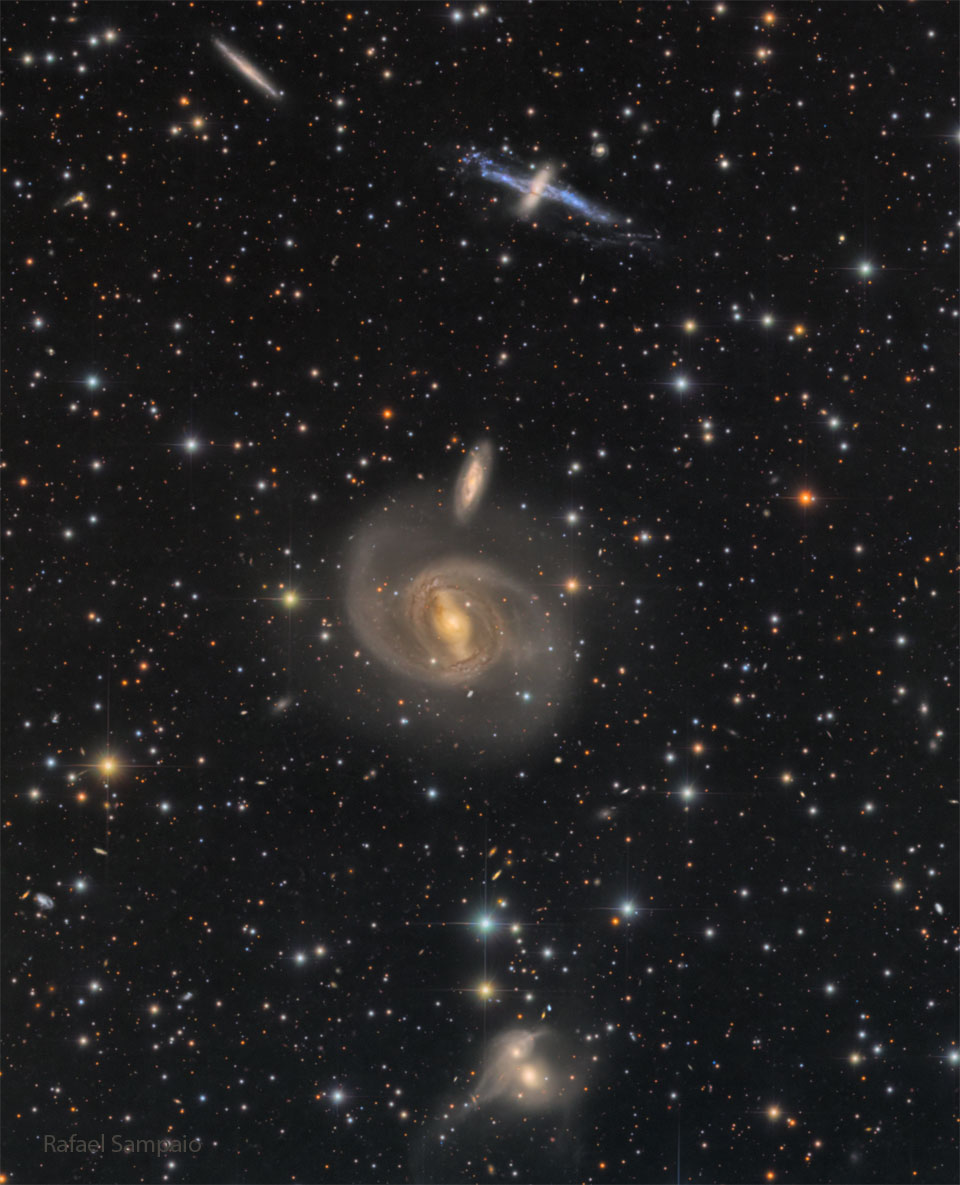
Astronomers have captured a fascinating look at three distinct pairs of galaxies, each showcasing a unique stage of cosmic interaction. From ancient collisions to future mergers, these galactic encounters offer a rare glimpse into the universe's dynamic evolution. It's like observing a cosmic family album of how galaxies mingle and transform over billions of years.
The Full Story
Key Takeaways
- 1 Three galaxy pairs illustrate different stages of cosmic interaction: past collisions, near-misses, and active mergers.
- 2 A galaxy's current appearance can be deceiving; relative speeds determine if interaction is occurring.
- 3 Galaxy mergers are slow, dramatic processes unfolding over billions of years.
- 4 These interactions are fundamental drivers of galaxy evolution and growth in the universe.
💡 Think of it this way:
Think of it like observing three different kinds of dances: two partners passing each other on the street, two people looking like they might dance but are too far apart, and two actively twirling together, eventually becoming one.
How We Know This
Astronomers utilized powerful telescopes to capture detailed images of these distant galaxies. By carefully analyzing the light from each galaxy, they could not only determine their intricate shapes but also measure their distances and, crucially, their speeds relative to each other. This allowed them to distinguish between galaxies that merely appear close and those that are truly interacting gravitationally.
What This Means
This discovery enriches our understanding of galaxy evolution, particularly how mergers and close encounters shape the colossal structures we see in the cosmos. Future studies will continue to monitor these and other galaxy clusters, refining our theoretical models of how galaxies form and grow. This knowledge helps us predict the long-term fate of our own Milky Way galaxy, which is destined to merge with the Andromeda galaxy in billions of years.
Why It Matters
Understanding how galaxies interact helps us piece together the grand story of our universe. These observations provide vital clues about how galaxies, including our own Milky Way, grow, evolve, and sometimes even merge over cosmic timescales. It gives us context for our place in the universe and insights into its eventual destiny.