Unveiling the Moon's Mysterious 'Seas': A Journey to Tranquility Base
In Brief
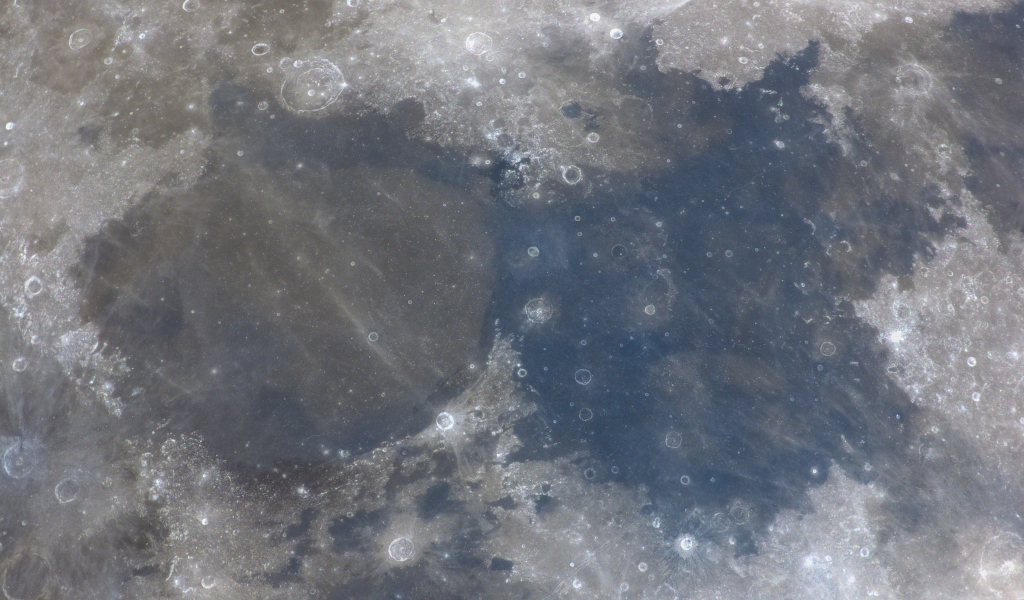
Take a close look at the Moon's dark, smooth patches, famously known as the Seas of Tranquility and Serenity. These aren't water bodies, but vast plains of ancient solidified lava that tell the story of the Moon's volcanic past. One of these historic 'seas' is also where humanity first stepped onto another world.
The Full Story
Key Takeaways
- 1 The Moon's dark 'seas' are actually vast plains of ancient solidified lava, not water.
- 2 These 'maria' formed billions of years ago from giant asteroid impacts followed by volcanic eruptions.
- 3 The Sea of Tranquility (Mare Tranquillitatis) is the historic site of the Apollo 11 landing and the first human steps on another celestial body.
💡 Think of it this way:
Think of them like giant, dark puddles left behind on a dusty, cratered playground, but made of ancient rock instead of water.
How We Know This
This image was captured using a powerful telescope on Earth. Telescopes gather and magnify light from distant objects, allowing astronomers to observe fine details on the Moon's surface that are invisible to the naked eye. This ground-based observation is fundamental to mapping and studying our celestial neighbor.
What This Means
Studying the Moon's 'seas' helps scientists unravel the secrets of its formation and evolution, giving us clues about how other rocky planets and moons formed in our solar system. For future space exploration, particularly with missions like Artemis aiming to establish a sustained human presence on the Moon, understanding these varied terrains is vital for choosing safe landing sites and planning resource utilization.
Why It Matters
Understanding these lunar 'seas' helps us appreciate the Moon's dramatic geological past and celebrates the monumental human achievement of the Apollo 11 landing, connecting us to a pivotal moment in exploration.