Back to Articles Image Of The Day

Our Final Farewell: Comet R3 PanSTARRS Leaves Our Solar System Forever

📖 3 min read 📊 beginner 🏷️ NASA APOD

In Brief

Comet C/2025 R3 PanSTARRS recently made a dazzling, albeit fading, visit to our inner solar system. But unlike most comets that loop back, this one received a powerful gravitational boost from our planets, sending it on a permanent journey out into interstellar space. We've captured its shrinking tail as it makes its one-way exit.
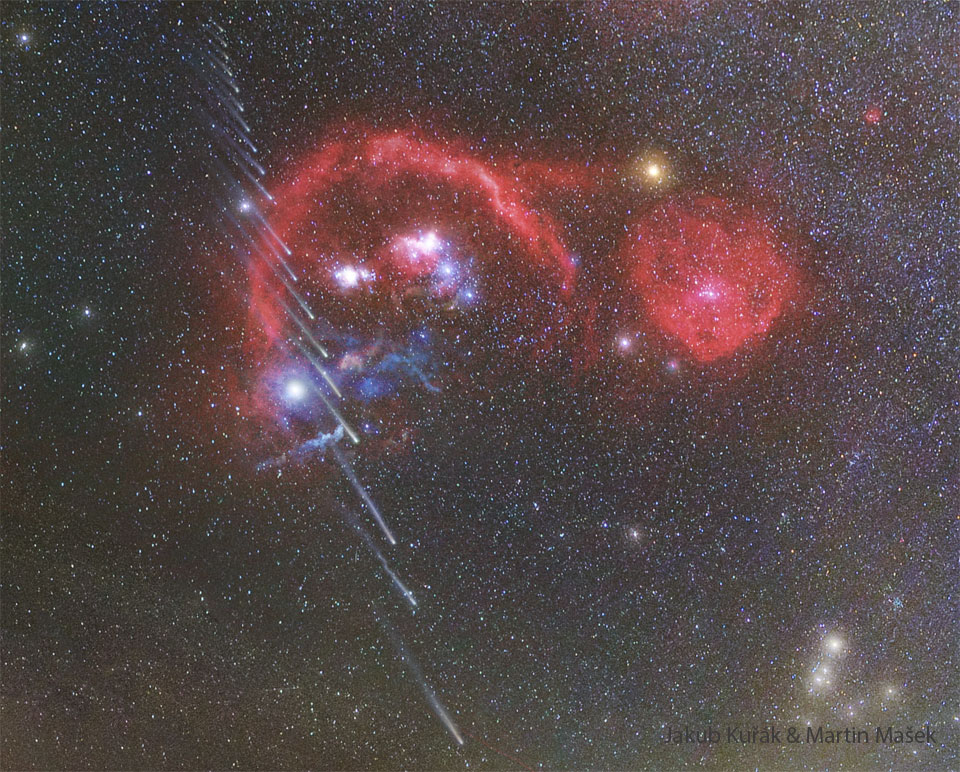
Our Final Farewell: Comet R3 PanSTARRS Leaves Our Solar System Forever

Disclosure: This post contains affiliate links. As an Amazon Associate, I earn from qualifying purchases.

The Full Story

Comets are often heralded as magnificent cosmic visitors, making their grand entrance into our inner solar system with brilliant tails and glowing halos. These icy travelers, like celestial rockstars, usually put on a show as they warm up under the Sun's gaze, expelling gas and dust to form their iconic coma and tail. But what happens when the show is over, and the comet heads for the exits? For Comet C/2025 R3 PanSTARRS, its departure is less of a graceful bow and more of a permanent goodbye. As comets recede from the Sun's warmth, their activity naturally dwindles. The cosmic fireworks dim: less solar energy means less ice vaporizing, so the fuzzy 'coma' around the nucleus shrinks, and the magnificent tail — which is essentially a stream of gas and dust — shortens and fades away. Most comets, after their inner solar system tour, will swing back around, returning hundreds or thousands of years later for another visit, like old friends on a very long circuit. However, Comet R3 PanSTARRS is a special case. This isn't just a comet taking a long break; it's leaving our solar system for good. What caused this permanent exit? It's all thanks to a 'gravitational kick' from one or more of our solar system's massive planets. Think of it like a cosmic slingshot: as the comet passed near a planet, the planet's immense gravitational pull accelerated the comet, boosting its speed beyond what's needed to remain in orbit around the Sun. This boost puts it on an escape trajectory, sending it hurtling into the vastness of interstellar space, never to return. Astronomers have been diligently tracking Comet R3 PanSTARRS as it makes this final journey. Powerful telescopes, located at world-class observatories like those near Cerro Paranal in Chile, captured deep images of the comet over several nights in early to mid-May. These observations were crucial, not just for seeing the comet, but for understanding its farewell performance. Later images from this sequence visibly showed the shrinking of its ion tail – the stream of ionized gas glowing faintly – a clear visual cue that the comet was indeed winding down its activity and accelerating away. Studying comets like R3 PanSTARRS, even as they depart, provides invaluable insights into the early solar system's composition and the dynamic gravitational interactions that shape our cosmic neighborhood. Each departing comet carries a piece of history from the outer reaches of our solar system, offering clues about the building blocks of planets and the forces that govern their paths. Its permanent exit reminds us that our solar system is not a static place, but a constantly evolving, gravitational ballet where some dancers stay, and others gracefully, or forcefully, leave the stage forever.

Key Takeaways

  • 1 Comet C/2025 R3 PanSTARRS is leaving our solar system permanently.
  • 2 It received a 'gravitational kick' from planets, boosting its speed beyond return.
  • 3 Comets naturally fade as they leave the Sun's warmth, shrinking their coma and tail.
  • 4 Astronomers observed its shrinking ion tail as it departed, confirming its journey.
National Geographic Planisphere Star Finder

National Geographic Planisphere Star Finder

Essential tool for identifying constellations and stars. Perfect for beginners learning the night sky.

Check Price on Amazon
*As an Amazon Associate, we earn from qualifying purchases.

💡 Think of it this way:

Imagine a friend who flies in for a visit, spends some time, and then catches a special, high-speed flight that slingshots them away from Earth, never to return. Comet R3 PanSTARRS just did something similar, using our planets to launch itself out of our solar system for good.

How We Know This

Astronomers used powerful telescopes located at observatories like those near Cerro Paranal in Chile. They took 'deep images' – meaning long exposures to gather faint light – over multiple nights in May. By comparing these images taken at different times, they could observe the comet's changing appearance, particularly the clear shrinking of its ion tail, confirming its decreasing activity as it sped away from the Sun.

What This Means

The study of comets like R3 PanSTARRS helps scientists better understand the long-term evolution of comets, the effects of planetary gravitational forces on smaller celestial bodies, and the dynamics of objects transitioning from our solar system into interstellar space. These observations provide rare data points for models of planetary migration and the potential for exocomets to travel between star systems, offering glimpses into the cosmic dance beyond our immediate neighborhood.

Why It Matters

Witnessing a comet embark on an interstellar journey is a rare and profound reminder of the dynamic nature of our solar system and the vastness of space. It offers a unique perspective on cosmic journeys and helps us understand how gravitational forces can forever alter an object's path, shaping the fate of celestial wanderers.

Related Topics

#Comet #PanSTARRS #Solar System #Astronomy #Space