Superfast Space Internet: ESA & Canada Launch Next Phase
In Brief
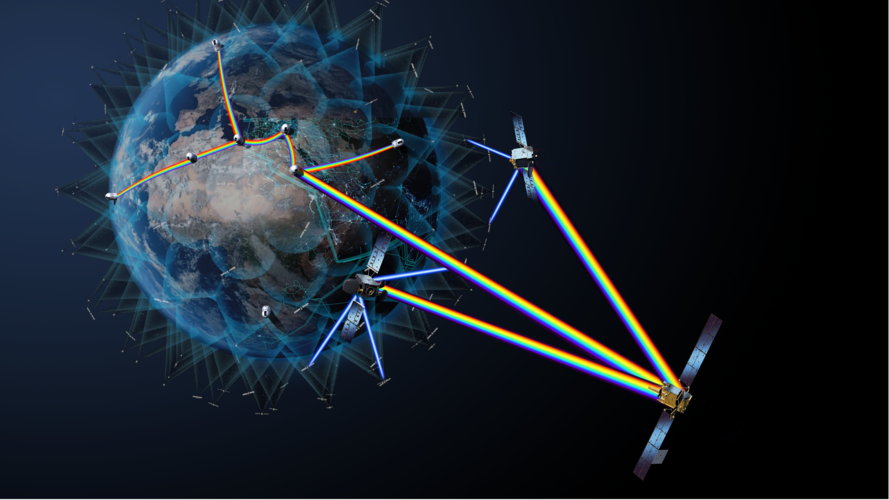
The European Space Agency (ESA) is making big strides in creating a super-fast and secure internet network in space using lasers, called HydRON. They've just teamed up with Canadian company Kepler to push this "fibre in the sky" project into its next crucial phase. This exciting partnership means we're closer to getting critical space data in mere seconds.
The Full Story
Key Takeaways
- 1 ESA's HydRON project aims to create a super-fast, secure laser communication network in space.
- 2 Canadian company Kepler has been awarded a contract to lead the next development phase for HydRON.
- 3 This 'fibre in the sky' network will deliver critical space data in seconds, improving many aspects of daily life.
💡 Think of it this way:
Think of it like upgrading your home internet from an old, slow dial-up connection to lightning-fast fibre optic broadband – but in space! This project aims to bring that same speed revolution to satellite communications.
How We Know This
This isn't about a new discovery, but rather the next crucial step in developing a cutting-edge communication system. The European Space Agency (ESA) is leading the HydRON project, focusing on using laser technology instead of traditional radio waves to transmit data from satellites. The recent announcement marks the start of a new phase, where Canadian partner Kepler will help design and build the components needed to make this 'fibre in the sky' network a reality. This involves advanced engineering, optical physics, and satellite integration to ensure precise and reliable laser links across vast distances in space.
What This Means
The future with HydRON looks incredibly promising. We'll see near-instant access to vital Earth observation data, enabling quicker responses to environmental changes and natural disasters. Space missions, whether to Mars or beyond, will be able to send back high-definition images and scientific findings much faster. It could also enhance global connectivity, bringing high-speed internet to currently underserved regions. This project is a foundational step towards a more interconnected and data-rich future, both on Earth and in space, revolutionizing how we gather and use information from orbit.
Why It Matters
This project isn't just for scientists; it promises to revolutionize how quickly we receive vital information from space. Imagine faster weather predictions, instant updates for navigation, or even helping respond to natural disasters more effectively, all thanks to quicker data delivery from orbit.