Artemis II: Humans Return to the Moon's Doorstep, Set New Records!
In Brief
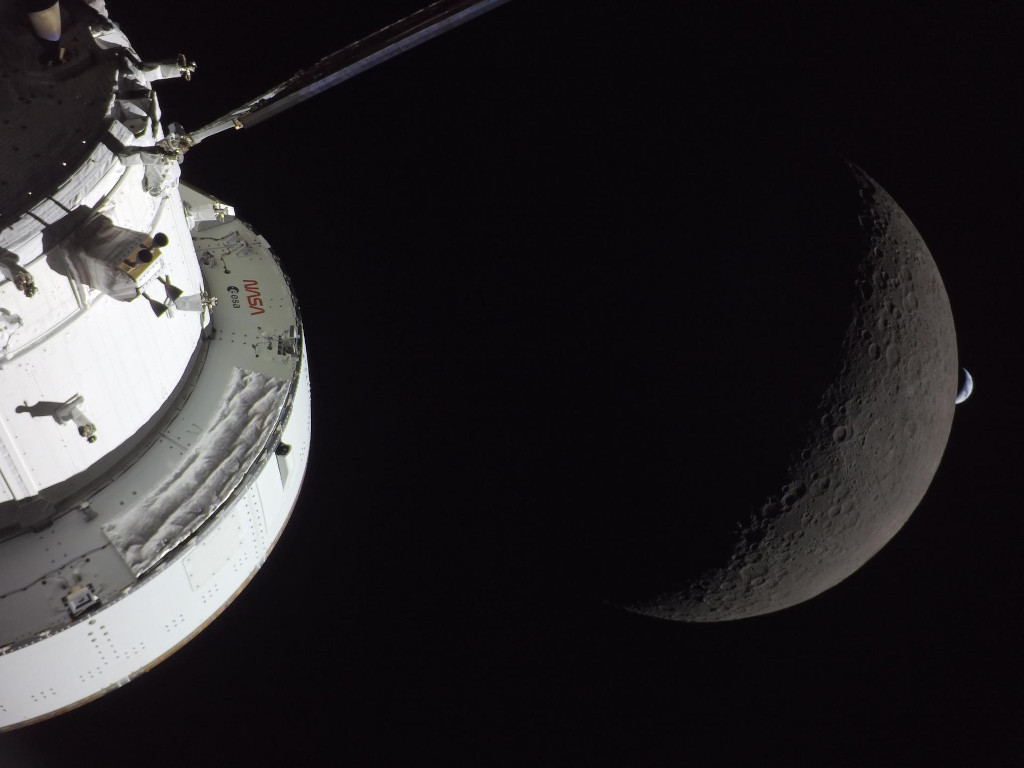
The Artemis II mission successfully completed a historic journey around the Moon, venturing further into space than any humans have been in over 50 years. This landmark test flight saw the crew capture an incredible 'space selfie' with a crescent Earth visible from behind the lunar far side. They safely returned home, paving the way for humanity's continued exploration of our solar system.
The Full Story
Key Takeaways
- 1 Artemis II completed the first human lunar flyby since 1972.
- 2 The crew set a new record for the farthest human journey from Earth since 1970.
- 3 An iconic 'space selfie' was taken, showing Earth from behind the Moon.
- 4 The mission was a crucial test flight for the Orion spacecraft and its crew.
- 5 It paves the way for future Moon landings and human missions to Mars.
💡 Think of it this way:
Imagine taking a brand-new, high-tech car on its ultimate test drive – not just around the block, but on a grand loop around a distant, familiar landmark you haven't visited in decades. The crew are the test drivers, ensuring everything works perfectly before the next big journey where they'll actually park and explore!
How We Know This
The mission utilized the advanced Orion spacecraft, a capsule specifically designed for deep space travel, propelled by a powerful rocket (the Space Launch System). The crew conducted extensive in-flight tests of the spacecraft's navigation, communication, and life support systems during its journey around the Moon, reaching a maximum distance of nearly 407,000 kilometers from Earth. A camera mounted on a solar array wing captured imagery from behind the Moon, showcasing the spacecraft and our home planet.
What This Means
The success of Artemis II is a monumental step towards establishing a sustained human presence on the Moon, a key objective of the Artemis program. It validates the technology and procedures needed for future lunar landings (Artemis III) and paves the way for deeper space exploration, including sending humans to Mars. This mission inspires global interest in space, fosters scientific discovery, and drives technological innovation across various fields, pushing the boundaries of what's possible for humanity.
Why It Matters
This mission is a monumental stride towards putting humans back on the Moon and eventually Mars, reigniting our collective sense of exploration and inspiring a new generation. It proves humanity's capability to push beyond Earth, bringing us closer to establishing a sustained presence in space and unlocking new scientific discoveries.