Cosmic Crash Ignites Galactic Star-Making Frenzy
In Brief
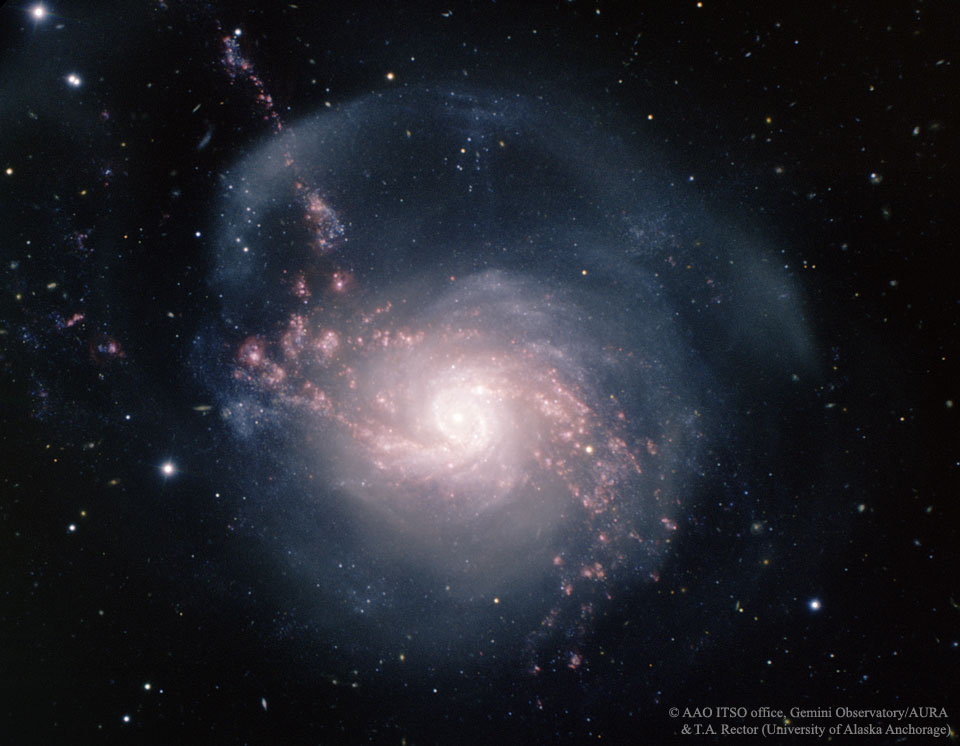
A majestic spiral galaxy, NGC 3310, recently experienced a dramatic collision with a smaller galaxy about 100 million years ago. This cosmic fender-bender ignited an incredible burst of new star formation, turning the galaxy into a dazzling stellar nursery. The discovery shows these star-making parties can last for millions of years.
The Full Story
Key Takeaways
- 1 Galaxy NGC 3310 experienced a collision 100 million years ago, triggering intense star formation.
- 2 Changing gravity from the collision created 'density waves' that compressed gas, leading to new stars.
- 3 The ongoing presence of young star clusters shows that these 'starburst' events can last for tens to hundreds of millions of years.
💡 Think of it this way:
Imagine a gentle nudge on a crowded dance floor that gets everyone moving and sparking new connections – that's a bit like how a galaxy collision can kickstart a star-forming party!
How We Know This
Astronomers used the advanced Gemini North Telescope to capture a highly detailed image of NGC 3310. This telescope helped them see the different components of the galaxy, like glowing gas and hot young stars, by using special filters that were then color-coded. Pink shows where gas is abundant, while white and blue reveal the brilliant young stars, allowing scientists to map the star formation activity.
What This Means
This research helps us better understand how galaxies like our own Milky Way grow and change over cosmic timescales. By studying starburst galaxies, scientists can learn more about the conditions that kickstart star formation and how long these intense periods can last. This knowledge is crucial for building a complete picture of galaxy evolution and predicting how other galaxies might develop or interact in the future.
Why It Matters
Understanding these galactic collisions helps us learn how galaxies evolve, grow, and create new stars across the universe, including our own Milky Way, offering clues to our cosmic origins.