Back to Articles Image Of The Day

Cosmic Rose Blooms: A Stellar Valentine in the Rosette Nebula

πŸ“– 3 min read πŸ“Š beginner 🏷️ NASA APOD

In Brief

This Valentine's Day, gaze upon the breathtaking Rosette Nebula, a cosmic masterpiece resembling a giant celestial rose. This vibrant cloud of gas and dust is a nursery for brilliant, young stars, some of the brightest in our galaxy. It's a stunning reminder of the universe's beauty and ongoing creation.
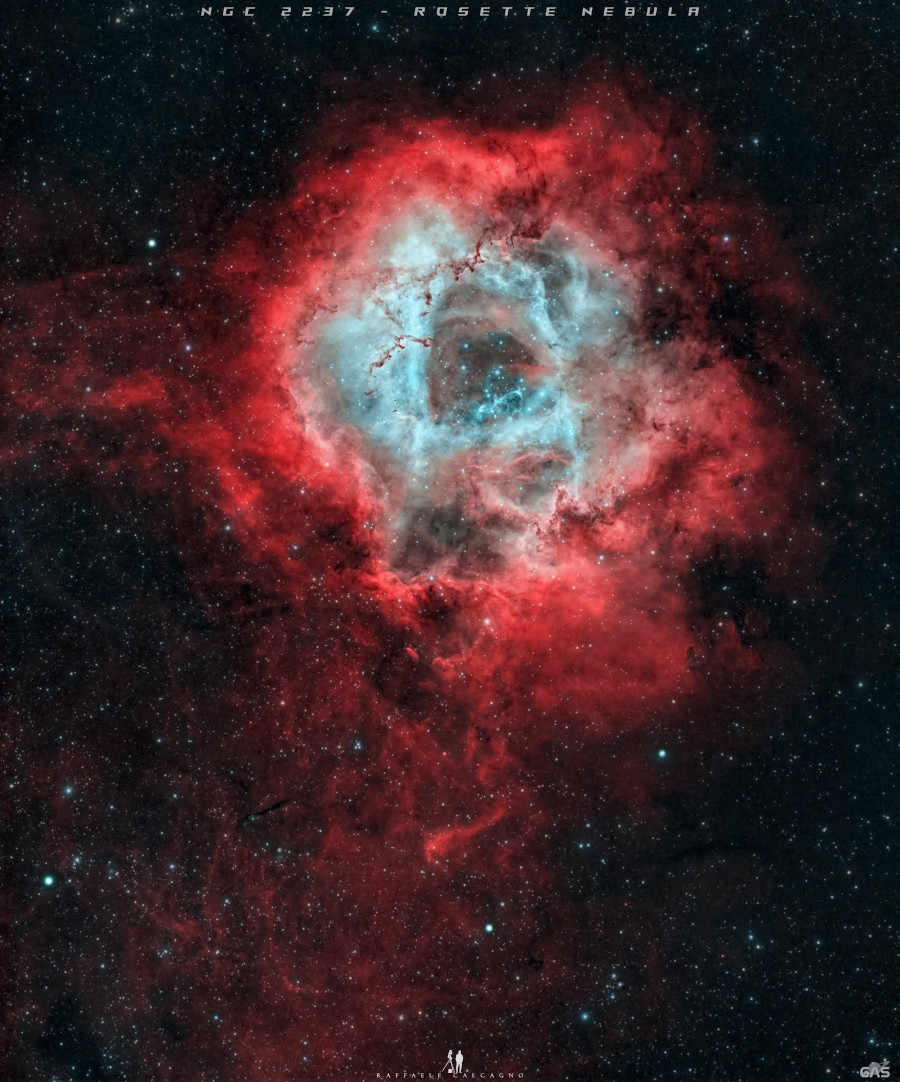
Cosmic Rose Blooms: A Stellar Valentine in the Rosette Nebula

Disclosure: This post contains affiliate links. As an Amazon Associate, I earn from qualifying purchases.

The Full Story

The universe is full of wonders, and sometimes, it paints pictures that feel remarkably familiar. This Valentine's Day, we're treated to a spectacular "cosmic rose" – the Rosette Nebula, officially known as NGC 2237. Located about 5,000 light-years away in the constellation Monoceros (the Unicorn), this vast cloud of gas and dust truly lives up to its name, resembling a giant rose blooming in the dark canvas of space. Its intricate structure and vibrant colors make it a favorite subject for astronomers and stargazers alike, offering a glimpse into the majestic processes of the cosmos. What gives the Rosette Nebula its distinctive shape? At its heart lies a cluster of brilliant, newly formed stars, known as NGC 2244. These massive, hot stars emit powerful radiation and stellar winds that carve out a large, central cavity in the surrounding cloud of gas and dust, much like a sculptor shaping clay or a gardener carefully pruning a rose. The remaining material, sculpted by these intense stellar forces, forms the beautiful "petals" of our cosmic flower. This dynamic interplay between the young stars and their birth environment is key to understanding its stunning appearance. The "stem" of this cosmic rose is made up of glowing hot gas – primarily hydrogen – energized by the intense ultraviolet light from the newborn stars. As hydrogen atoms absorb this energy, they re-emit it as visible light, giving the nebula its characteristic reddish glow. The "blue-white speckles" mentioned in the original summary are those very same incredibly luminous young stars within the central cluster. These aren't just any stars; they are among the most massive and brightest stars known in our galaxy, burning through their fuel at an astonishing rate and radiating immense amounts of energy across vast cosmic distances. The Rosette Nebula is a prime example of a "stellar nursery" – a region where stars are actively being born from collapsing clouds of gas and dust. By studying such nebulae, astronomers gain crucial insights into the processes of star formation, from the initial collapse of giant molecular clouds to the birth of entire stellar clusters. These observations help us understand the precise conditions necessary for stars like our Sun to form, and how planets might emerge from the leftover material. It’s a living laboratory showcasing the fundamental cycle of creation and evolution that continuously shapes galaxies. To truly appreciate the Rosette Nebula, one must grasp its sheer scale. Spanning about 130 light-years across, it is an enormous structure – far larger than our entire solar system. If you could place our Sun at its center, its light would take 65 years to travel to the edge of the nebula. This immense size underscores the monumental forces at play in star-forming regions, where gravity and radiation sculpt vast amounts of interstellar material into new celestial objects. Observing it reminds us of the grandeur, complexity, and continuous evolution of the universe.

Key Takeaways

  • 1 The Rosette Nebula is a vast 'stellar nursery' resembling a giant rose, located 5,000 light-years away.
  • 2 Its iconic shape is carved by powerful radiation and winds from super-luminous, newly born stars at its center.
  • 3 Studying nebulae like the Rosette helps scientists understand how stars, including our own Sun, are born and how galaxies evolve.
National Geographic Planisphere Star Finder

National Geographic Planisphere Star Finder

Essential tool for identifying constellations and stars. Perfect for beginners learning the night sky.

Check Price on Amazon
*As an Amazon Associate, we earn from qualifying purchases.

πŸ’‘ Think of it this way:

Think of the Rosette Nebula as a giant cosmic garden, where new star 'flowers' are constantly blooming from rich clouds of gas and dust, their light illuminating the beautiful petals around them.

How We Know This

This stunning image of the Rosette Nebula was captured using powerful ground-based or space telescopes, likely combining data from different wavelengths of light. By observing the distinct colors emitted by various energized gases, like hydrogen (which often glows red) and oxygen (which can appear blue-green), astronomers can map the nebula's intricate structure, temperature, and chemical composition. These multi-wavelength observations are then processed and combined to create the vibrant, detailed images we see, revealing features that aren't visible to the naked eye.

What This Means

Continued observation of the Rosette Nebula will help scientists refine their models of star formation and stellar evolution, particularly for massive stars that dramatically influence their surroundings. Future generations of telescopes, like the James Webb Space Telescope, can peer deeper into the dusty regions to reveal even younger, embedded stars and potentially protoplanetary disks – the birthplaces of planets. This ongoing research contributes significantly to our fundamental understanding of the universe's building blocks and how planetary systems, including our own, come into being.

Why It Matters

It shows us that star formation is a beautiful and dynamic process happening all around us in the universe. Understanding these stellar nurseries helps us piece together the story of how our own Sun and solar system came to be, offering insights into our cosmic origins.

Related Topics

#Rosette Nebula #Star Formation #Nebula #Astronomy #Cosmic Wonders