Back to Articles Image Of The Day

Andromeda's Hidden Companions: A Tale of Two Dwarf Galaxies

📖 3 min read 📊 beginner 🏷️ NASA APOD

In Brief

A new deep space image reveals two elusive dwarf galaxies, NGC 147 and NGC 185, appearing close together in our night sky. These smaller galaxies are actually satellite companions of our massive galactic neighbor, the Andromeda Galaxy, located 2.5 million light-years away.
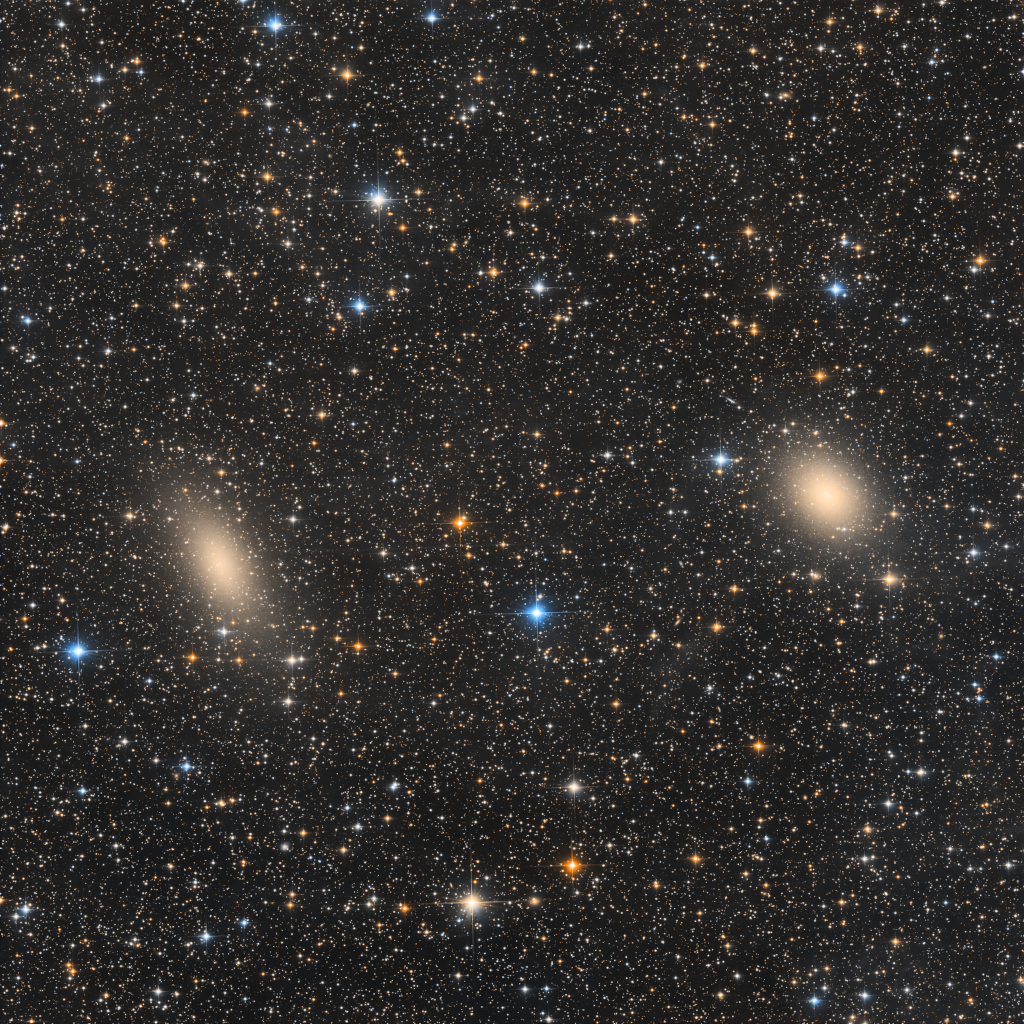
Andromeda's Hidden Companions: A Tale of Two Dwarf Galaxies

Disclosure: This post contains affiliate links. As an Amazon Associate, I earn from qualifying purchases.

The Full Story

Peering across the vast cosmic ocean, a recent telescopic portrait has captured the subtle beauty of two often-overlooked dwarf galaxies: NGC 147 and NGC 185. Appearing side-by-side in this deep view, these celestial siblings are much more than just pretty points of light. They are, in fact, loyal companions to the majestic Andromeda Galaxy (M31), one of the closest and largest spiral galaxies to our own Milky Way, situated a staggering 2.5 million light-years away. Dwarf galaxies like NGC 147 and NGC 185 are essentially the 'mini-mes' of the galactic world – smaller, fainter, and containing far fewer stars than their colossal counterparts. Despite their humble size, they are incredibly important to astronomers. These cosmic crumbs are often considered the building blocks of larger galaxies, or sometimes even the remnants of ancient galactic collisions. Studying them helps scientists understand the early universe, how galaxies first assembled, and even sheds light on the mysterious dark matter that influences their movements. These particular dwarfs are gravitationally bound to Andromeda, meaning they orbit around the larger galaxy much like smaller planets orbit a star. While Andromeda itself is a familiar sight to many amateur astronomers, its numerous satellite galaxies are harder to spot and image due to their dimness. This makes the clear observation of NGC 147 and NGC 185 particularly valuable, highlighting their position less than one degree apart on the sky – a close encounter from our perspective, hinting at a fascinating dance happening millions of light-years away. Observing these hidden companions helps us paint a more complete picture of our cosmic neighborhood, known as the Local Group, which includes the Milky Way, Andromeda, and their dozens of satellites. By studying the interactions and properties of these smaller galaxies, astronomers can piece together the dynamic history of galactic evolution and even predict future events, such as the inevitable grand collision between the Milky Way and Andromeda billions of years from now. These dwarf galaxies are like tiny witnesses to the universe's grandest stories.

Key Takeaways

  • 1 A new image highlights two previously under-imaged dwarf galaxies, NGC 147 and NGC 185.
  • 2 These galaxies are satellites of the Andromeda Galaxy (M31), located 2.5 million light-years away.
  • 3 Dwarf galaxies are crucial for understanding how larger galaxies form and evolve over cosmic time.
  • 4 Their study provides insights into the dynamics of our local cosmic neighborhood and galactic interactions.
Hubble Space Telescope Deep Field Poster

Hubble Space Telescope Deep Field Poster

Stunning poster featuring iconic Hubble Space Telescope imagery. Perfect for space enthusiasts.

Check Price on Amazon
*As an Amazon Associate, we earn from qualifying purchases.

💡 Think of it this way:

Think of them as the smaller, quieter towns nestled just outside a bustling major city – the grand Andromeda Galaxy – each playing its own subtle role in the larger metropolitan area.

How We Know This

Astronomers captured this 'deep telescopic portrait' using powerful telescopes capable of gathering light over long exposures. By collecting faint light for extended periods, these sophisticated instruments can reveal dim celestial objects like distant dwarf galaxies that might otherwise be invisible against the vast backdrop of space or obscured by the brightness of their larger galactic neighbors.

What This Means

Continued observation of dwarf galaxies such as NGC 147 and NGC 185 will allow scientists to refine complex models of galaxy formation and evolution. These smaller systems serve as natural laboratories for studying the intricate interplay of gravity and matter on a galactic scale. Future detailed studies could uncover more about their specific star formation histories, chemical compositions, and the distribution of dark matter within them, providing a richer, more nuanced understanding of the universe's past, present, and future.

Why It Matters

Understanding these dwarf galaxies helps astronomers piece together the history and evolution of larger galaxies like Andromeda and even our own Milky Way. They are crucial cosmic clues to how galactic neighborhoods form, interact, and grow over billions of years.

Related Topics

#Andromeda Galaxy #Dwarf Galaxies #Satellite Galaxies #Galaxy Evolution #Cosmic Neighborhood