Back to Articles Image Of The Day

Waiting Game Pays Off: Norway's Sky Explodes with Northern Lights!

📖 3 min read 📊 beginner 🏷️ NASA APOD

In Brief

After two nights of persistent clouds, dedicated sky-watchers in Norway were finally rewarded with an absolutely breathtaking display of the Northern Lights. The sky cleared just in time for an emerald green aurora to dance brilliantly above the mountain peaks, turning patience into a spectacular triumph.
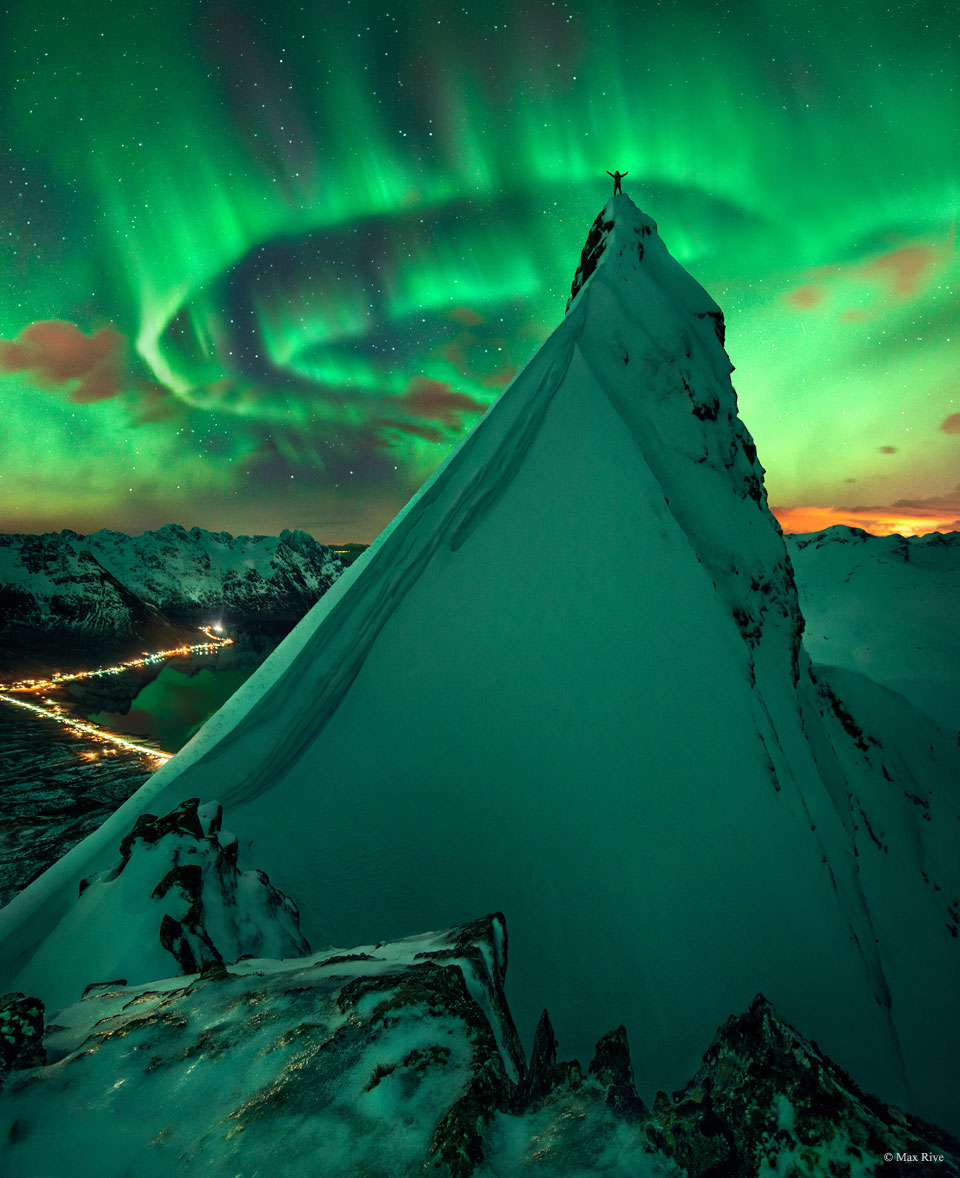
Waiting Game Pays Off: Norway's Sky Explodes with Northern Lights!

Disclosure: This post contains affiliate links. As an Amazon Associate, I earn from qualifying purchases.

The Full Story

Imagine spending two chilly nights under the vast Norwegian sky, hopeful eyes fixed upwards, only to be met with a frustrating curtain of clouds. That's the challenge many aurora chasers face. But as the saying goes, patience is a virtue, and for a dedicated team, the third night finally brought a spectacular reward. The clouds parted, and above the majestic mountain peaks, the sky didn't just clear – it erupted in a breathtaking symphony of green light. Arms went high, cameras clicked, and the long wait culminated in an unforgettable display of the aurora borealis, often called the Northern Lights. But what exactly are these ethereal dancers that paint the polar skies? Auroras are a dazzling natural light show caused by the Sun. Our Sun constantly releases a stream of charged particles, known as the solar wind. When these particles encounter Earth's protective magnetic field, they are mostly deflected. However, some particles get trapped and funnel towards the magnetic poles. As they collide with gases in our atmosphere – primarily oxygen and nitrogen – they excite these atoms, causing them to glow. Oxygen often emits the vivid green light we see in pictures, while nitrogen can produce pinks and purples. It's like a cosmic light show, where solar particles are the energy source and our atmosphere is the screen. Locations like Norway are prime real estate for aurora viewing because they are situated within what's called the "auroral oval" – a band around Earth's magnetic poles where these particle collisions are most frequent. Chasing the aurora isn't just about being in the right place; it's also about having clear skies, being far from city lights, and often, a good dose of luck and perseverance. The thrill of witnessing such a powerful natural phenomenon makes all the waiting worthwhile, turning cold, dark nights into moments of profound awe. Beyond their sheer beauty, auroras are much more than just pretty lights. They are a visible indicator of "space weather," the constantly changing conditions in space caused by the Sun's activity. Intense solar flares or coronal mass ejections (CMEs) can send larger bursts of charged particles our way, leading to more intense and widespread aurora displays. Understanding space weather is crucial because it can impact our technology here on Earth – from disrupting satellite communications and GPS systems to potentially overloading power grids. Auroras provide a natural laboratory for scientists to study these interactions. Capturing such a dynamic and often faint display requires specialized techniques, commonly known as astrophotography. Photographers use cameras capable of long-exposure shots, allowing them to gather enough light to reveal the aurora's intricate details and vibrant colors that might appear dimmer to the naked eye. This allows us to study the structure and behavior of the aurora in detail. Looking ahead, continuous monitoring of auroras, whether through ground-based cameras or space missions, helps scientists refine their models of space weather, improving our ability to predict potential disruptions and better protect our increasingly space-dependent world.

Key Takeaways

  • 1 Northern Lights (auroras) are caused by charged particles from the Sun interacting with Earth's atmosphere and magnetic field.
  • 2 Observing auroras, particularly in high-latitude regions like Norway, often requires patience and clear, dark skies.
  • 3 These beautiful light shows are visual indicators of 'space weather,' which scientists study to understand and predict impacts on our technology.
  • 4 Astrophotography techniques are essential for capturing the stunning details of auroral displays.
Hubble Space Telescope Deep Field Poster

Hubble Space Telescope Deep Field Poster

Stunning poster featuring iconic Hubble Space Telescope imagery. Perfect for space enthusiasts.

Check Price on Amazon
*As an Amazon Associate, we earn from qualifying purchases.

💡 Think of it this way:

Imagine waiting patiently for days for the perfect fireworks display, only for the clouds to clear at the very last minute for the most spectacular show you've ever seen!

How We Know This

Astrophotographers used specialized cameras and long-exposure techniques to capture the faint, dancing lights after patiently waiting for clear skies over Norway. This method allows cameras to gather more light than the human eye, revealing the aurora's intricate details and colors.

What This Means

Studying auroras helps scientists better understand the Sun's activity and how it influences Earth's magnetic field. This knowledge is crucial for predicting 'space weather' events that could disrupt our communication systems, GPS, power grids, and satellites, ultimately helping us protect vital infrastructure.

Why It Matters

These stunning light shows are a beautiful reminder of our planet's protective shield and the dynamic energy flowing from the Sun, which also influences 'space weather' and can impact our technology, like satellites and power grids.

Related Topics

#Aurora #Northern Lights #Norway #Space Weather #Astrophotography