Orion Sets New Deep Space Record: Furthest Human-Rated Ship From Earth!
In Brief
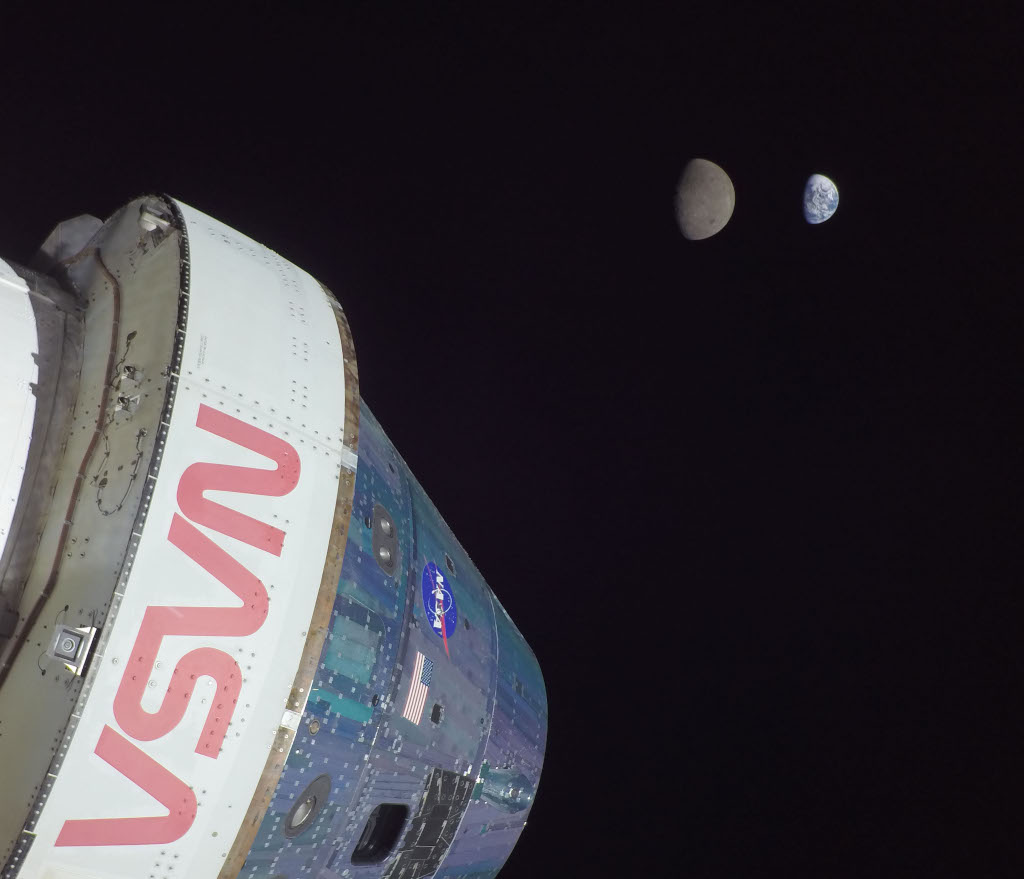
NASA's Orion spacecraft, part of the Artemis I mission, reached its farthest point from Earth during its uncrewed test flight. Soaring over 430,000 kilometers away, it flew further than any human-rated spacecraft has ever traveled. This critical milestone helped test the vehicle's endurance in deep space before astronauts eventually fly aboard.
The Full Story
Key Takeaways
- 1 Orion spacecraft set a new record for the furthest distance a human-rated spacecraft has traveled from Earth.
- 2 It reached over 430,000 kilometers away while in a stable 'distant retrograde orbit' around the Moon.
- 3 This uncrewed test flight was crucial for evaluating Orion's systems in deep space conditions.
- 4 The mission is a vital step in preparing for future crewed lunar missions and eventual human travel to Mars.
💡 Think of it this way:
Imagine you're on a road trip, and your car just hit its absolute furthest point from home, further than any car you've ever owned has gone before. You're out in the wilderness, testing how far your vehicle can really go before you turn back, and making sure all systems work perfectly for future family adventures.
How We Know This
The Orion spacecraft was launched atop the powerful Space Launch System (SLS) rocket. Once in space, ground controllers at NASA's Johnson Space Center in Houston meticulously navigated Orion using a series of engine burns to propel it towards the Moon and into its specific 'distant retrograde orbit.' Onboard sensors, cameras, and communication systems constantly relayed data back to Earth, allowing engineers to monitor its health, performance, and exact position throughout its journey, confirming its record-breaking distance.
What This Means
The success of Artemis I, particularly Orion's record-setting journey, has profound implications for the future of space exploration. It validates the design and capabilities of the Orion spacecraft and the SLS rocket, giving NASA confidence to proceed with crewed missions like Artemis II (a crewed flyby of the Moon) and Artemis III (a human landing on the Moon). This mission is a crucial stepping stone towards establishing a permanent human presence on the Moon and lays the groundwork for sending astronauts on the challenging, multi-year journey to Mars, unlocking new frontiers for scientific discovery and human endeavor.
Why It Matters
This historic journey pushes the boundaries of human exploration, paving the way for future astronauts to return to the Moon and eventually venture to Mars. It's a vital step in understanding how to keep humans safe and connected on incredibly long space trips, bringing us closer to becoming an interplanetary species.