Winter Solstice: Marking Earth's Celestial Turning Point
In Brief
Yesterday, our Sun reached its southernmost point in the sky, marking the winter solstice in the Northern Hemisphere and summer solstice in the Southern. This cosmic alignment signals a change of seasons and has been celebrated by cultures worldwide for millennia.
The Full Story
Key Takeaways
- 1 The solstice occurs when the Sun reaches its southernmost (or northernmost) point in the sky due to Earth's axial tilt.
- 2 Yesterday marked the winter solstice in the Northern Hemisphere (shortest day) and the summer solstice in the Southern Hemisphere (longest day).
- 3 Solstices have deep cultural and historical significance, influencing human calendars, architecture, and traditions for thousands of years.
💡 Think of it this way:
Think of it like a grand celestial pendulum reaching its furthest swing before gently beginning its journey back, ushering in new light and longer days.
How We Know This
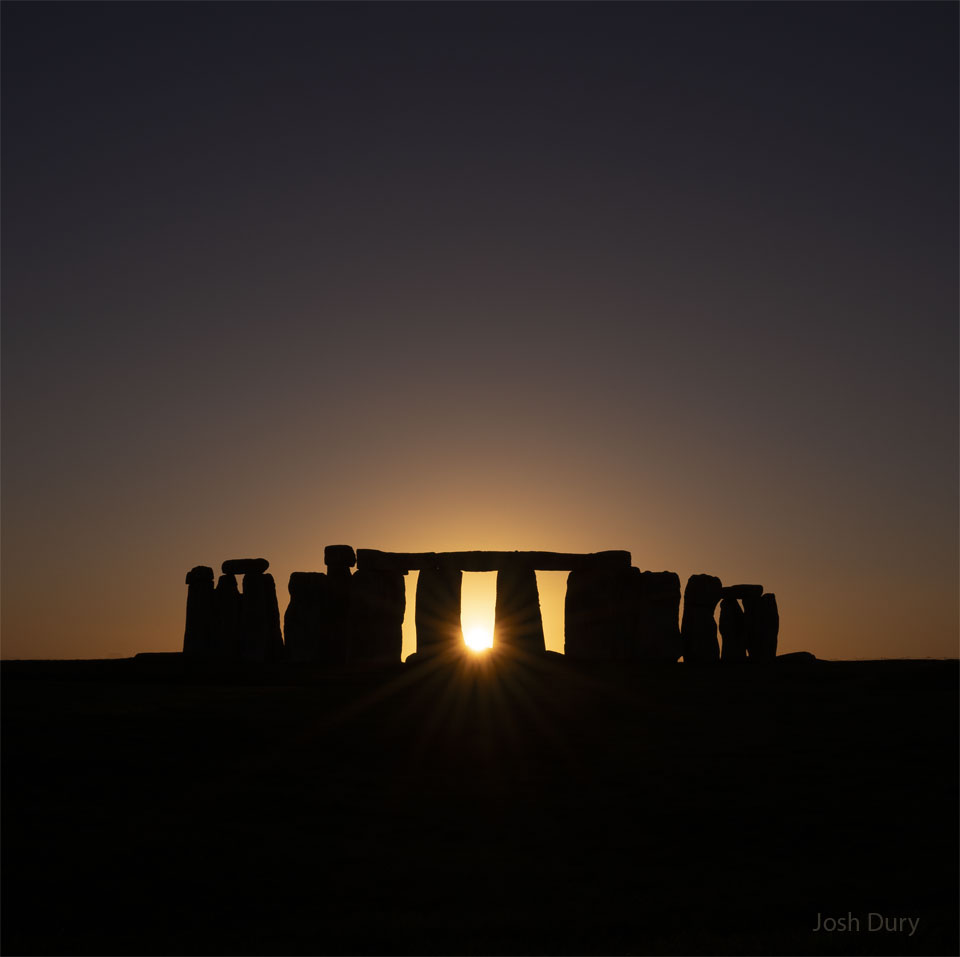
Observations of the solstice are as old as humanity itself, relying on direct sky-gazing and careful tracking of the Sun's position over time. While modern understanding is refined through precision astronomy, the core 'method' for events like these, especially for ancient sites like Stonehenge, involves simply observing the Sun's alignment with specific markers on the horizon, often captured beautifully through photography.
What This Means
Understanding the solstice isn't just about marking a date; it's fundamental to comprehending Earth's climate, seasonal cycles, and the very rhythm of life on our planet. For us, it offers a fascinating window into ancient human ingenuity, reminding us how deeply connected our ancestors were to the cosmos. It also plays a role in modern applications, from calendar-keeping and agricultural planning to the precise trajectory calculations required for space missions, where understanding celestial mechanics is paramount.
Why It Matters
This annual event profoundly influences our seasons, daylight hours, and has shaped human calendars, architecture, and traditions since ancient times, connecting us to the rhythm of our planet's journey around the Sun.