Back to Articles Image Of The Day

Galactic Munchies: When Bigger Galaxies Eat Smaller Ones

📖 3 min read 📊 beginner 🏷️ NASA APOD

In Brief

Our universe is a busy place, and it turns out even galaxies grow by consuming their smaller neighbors. This 'galactic cannibalism' is a common process, including our very own Milky Way, constantly absorbing smaller galaxies. A stunning new image from NASA showcases this cosmic dance of consumption.
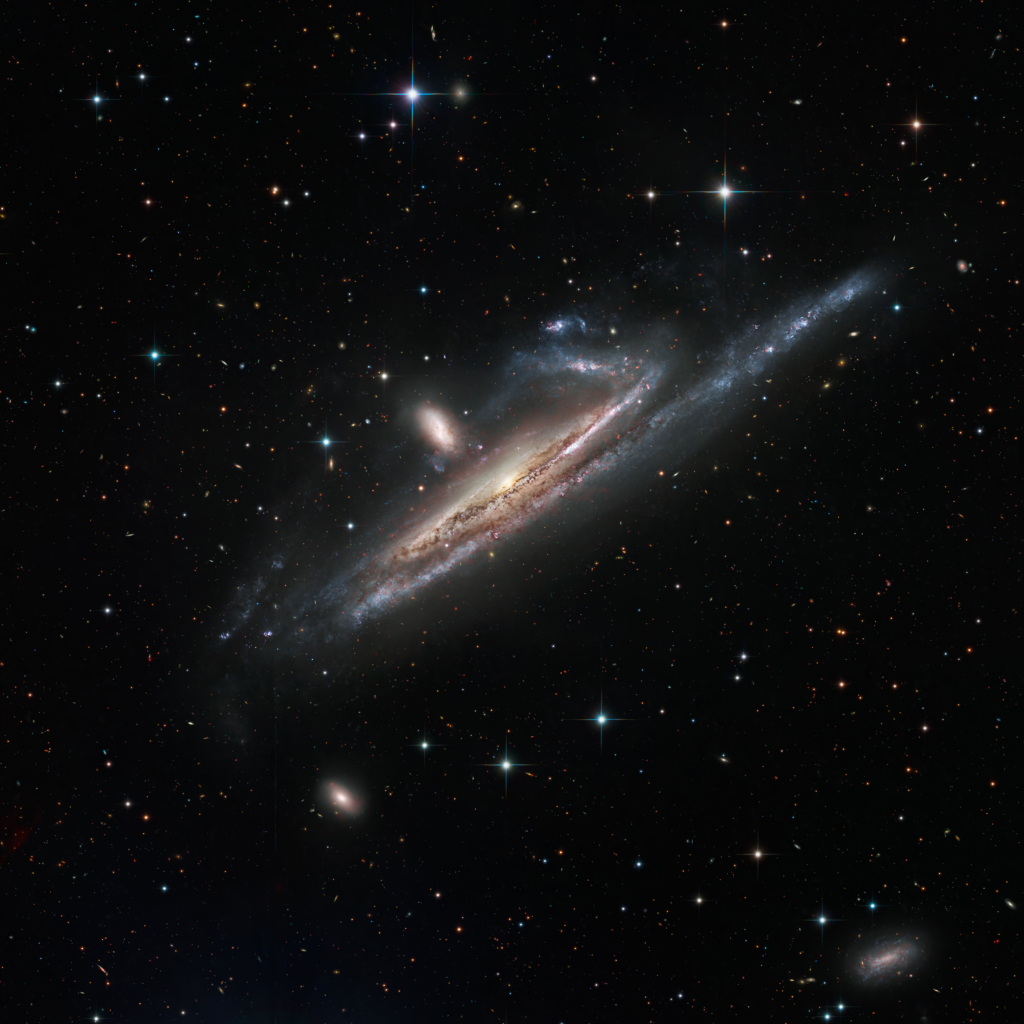
Galactic Munchies: When Bigger Galaxies Eat Smaller Ones

Disclosure: This post contains affiliate links. As an Amazon Associate, I earn from qualifying purchases.

The Full Story

Space is not a static canvas; it's a dynamic, ever-changing environment where cosmic titans play out dramatic sagas. One of the most common and fascinating of these stories is how large galaxies grow even larger: by 'eating' smaller ones. This process, often called 'galactic cannibalism,' isn't about violent destruction in the traditional sense, but rather a slow, gravitational embrace where a more massive galaxy gradually pulls in and absorbs its less fortunate neighbors. Our very own home, the Milky Way galaxy, is no stranger to this behavior. Over billions of years, it has consumed numerous smaller dwarf galaxies that ventured too close and were captured by its immense gravitational pull. We can still see the ghostly remnants of some of these past meals, like streams of stars that were once part of other galaxies now scattered within our own. In fact, some of our current companions, like the Magellanic Clouds, are on a long, slow path to eventually being absorbed by the Milky Way. This cosmic meal isn't a quick gulp; it's a drawn-out ballet lasting millions, even billions, of years. As two galaxies interact, their mutual gravity distorts their shapes, creating spectacular features like long 'tidal tails' of stars and gas flung out into space. Eventually, the smaller galaxy is stretched, torn apart, and its stars, gas, and dust become incorporated into the larger galaxy, adding to its mass and influencing its structure and star-forming activity. Why is this important? Because galactic cannibalism is a fundamental driver of cosmic evolution. It explains why some galaxies are enormous while others remain small, why galaxies have different shapes, and how elements are distributed across the universe. By observing galaxies in the act of merging, like the striking pair showcased in this NASA APOD, astronomers gain crucial insights into the life cycles of galaxies and the grand architecture of the cosmos. Ultimately, understanding these galactic interactions helps us piece together the puzzle of the universe's past, present, and future. It sheds light on how supermassive black holes at galactic centers grow, how new stars are ignited during these cosmic collisions, and even provides clues about our own galaxy's ultimate destiny when it inevitably collides and merges with its larger neighbor, the Andromeda galaxy, billions of years from now.

Key Takeaways

  • 1 Large galaxies grow by absorbing smaller ones through gravity.
  • 2 Our Milky Way galaxy is actively 'eating' nearby dwarf galaxies.
  • 3 This process, known as galactic cannibalism, is common across the universe.
  • 4 Interacting galaxies provide visual evidence of this cosmic merger in action.
Hubble Space Telescope Deep Field Poster

Hubble Space Telescope Deep Field Poster

Stunning poster featuring iconic Hubble Space Telescope imagery. Perfect for space enthusiasts.

Check Price on Amazon
*As an Amazon Associate, we earn from qualifying purchases.

💡 Think of it this way:

Imagine a giant snowball rolling down a hill, picking up smaller flakes and growing larger as it goes. That's a bit like how big galaxies, including our Milky Way, expand by merging with and absorbing smaller ones.

How We Know This

Astronomers use powerful telescopes, both on Earth and in space (like the Hubble Space Telescope), to capture incredibly detailed images of distant galaxies. By observing these interacting pairs, analyzing their distorted shapes, and studying the light they emit, scientists can map out their movements and piece together the gravitational dance happening over millions of years.

What This Means

Understanding galactic mergers helps scientists build better models of how the universe evolved from its early stages. It provides insights into how different types of galaxies form, how supermassive black holes at their centers grow, and where new stars are born. For our own galaxy, it gives us clues about what the Milky Way might look like millions of years from now, including its eventual merger with the Andromeda galaxy, shaping our cosmic future.

Why It Matters

Understanding how galaxies grow helps us piece together the history and future of our universe, including how our own Milky Way galaxy came to be and what its ultimate fate might be.

Related Topics

#Galaxies #Milky Way #Cosmic Evolution #Astronomy #Galactic Interaction