The Horsehead Nebula: A Stunning Cosmic Sculpture in Orion
In Brief
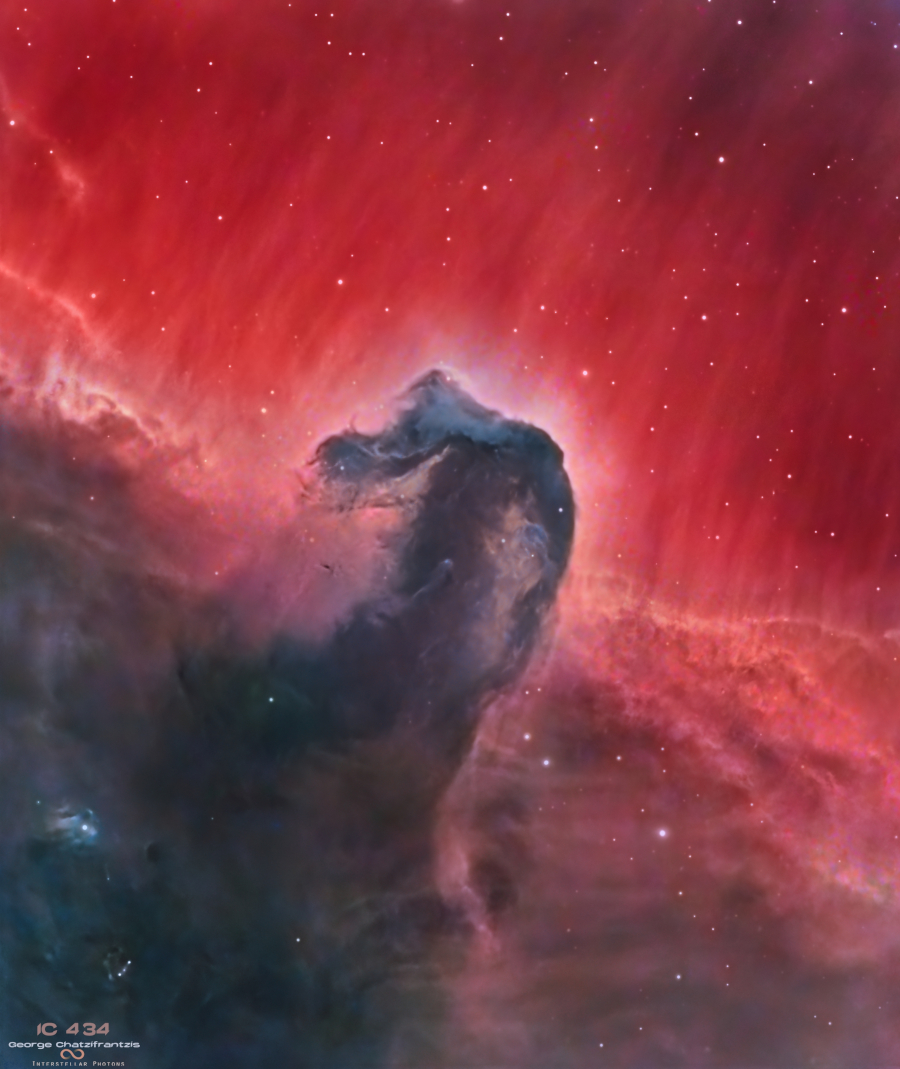
Gaze upon the iconic Horsehead Nebula, a vast cloud of gas and dust sculpted by powerful stellar forces into a shape eerily resembling a horse's head. Located 1,500 light-years away in the Orion constellation, this celestial wonder is a prime example of nature's cosmic artistry.
The Full Story
Key Takeaways
- 1 The Horsehead Nebula is an iconic cloud of gas and dust shaped like a horse's head.
- 2 Its unique form is sculpted by powerful stellar winds and radiation from nearby massive stars.
- 3 It is a 'molecular cloud' and acts as a stellar nursery where new stars are actively forming.
- 4 Studying it helps astronomers understand star formation, the lifecycle of massive stars, and galactic evolution.
💡 Think of it this way:
Imagine a powerful hairdryer blowing onto a cloud of smoke, slowly pushing and carving it into a distinct shape. That's similar to how intense radiation and winds from giant stars sculpt cosmic gas and dust, creating formations like the Horsehead Nebula.
How We Know This
Astronomers observe the Horsehead Nebula using powerful telescopes, both on Earth and in space, like the Hubble Space Telescope. These instruments capture light across different wavelengths – from visible light that shows us the glowing gas, to infrared light that can pierce through the thick dust to reveal hidden stellar embryos. By analyzing these different 'colors' of light, scientists can map the nebula's structure, temperature, and composition, revealing the dynamic processes at play.
What This Means
Continued observations, especially with next-generation telescopes like the James Webb Space Telescope (JWST), promise to unveil even more secrets. JWST's incredible infrared vision can penetrate the thick dust of the Horsehead's 'mane,' allowing astronomers to find even younger stars forming within and study the chemical makeup of these star-forming regions in unprecedented detail. This will refine our understanding of how cosmic sculptures like the Horsehead contribute to the cycle of stellar birth and death across the universe, providing vital clues to our cosmic origins.
Why It Matters
This breathtaking nebula helps us understand how massive stars shape their galactic neighborhoods, triggering new star formation and revealing the dynamic, ever-changing nature of the universe. It's a visible reminder of the incredible beauty and power beyond our planet.