Enceladus' Ocean: A Cosmic Chemistry Lab!
In Brief
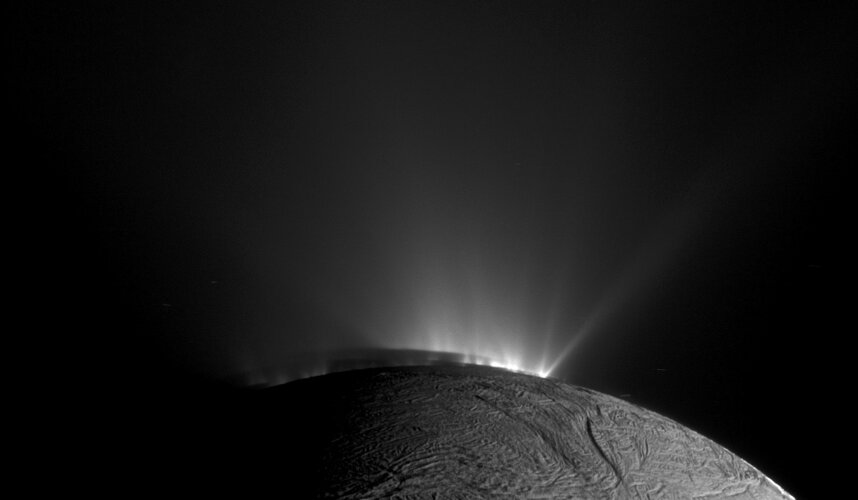
Saturn's icy moon Enceladus is even more intriguing! Scientists have found complex organic molecules spewing from its underground ocean, suggesting fascinating chemistry is happening there. This discovery boosts the possibility that Enceladus could harbor life.
The Full Story
Key Takeaways
- 1 Complex organic molecules found in Enceladus' plumes.
- 2 Indicates complex chemistry happening in its ocean.
- 3 Raises the possibility of Enceladus harboring life.
💡 Think of it this way:
Imagine Enceladus as a snow globe. Now, instead of just snow, there are tiny LEGO bricks floating in the water. These "bricks" are molecules that could potentially build something even bigger – maybe even life!
How We Know This
The Cassini spacecraft, which orbited Saturn for 13 years, collected data from the plumes of Enceladus. Scientists have been re-analyzing this data using sophisticated techniques to identify the different molecules present. It's like using a super-powered magnifying glass and a detailed map to figure out what's in the cloud.
What This Means
This discovery strengthens the argument for a dedicated mission to Enceladus to further investigate its potential for life. The European Space Agency (ESA) is considering such a mission. Further study of Enceladus could provide valuable insights into the origins of life, not just on Earth, but potentially throughout the universe.
Why It Matters
This discovery hints that the building blocks for life might exist beyond Earth, making us question if we are alone in the universe.